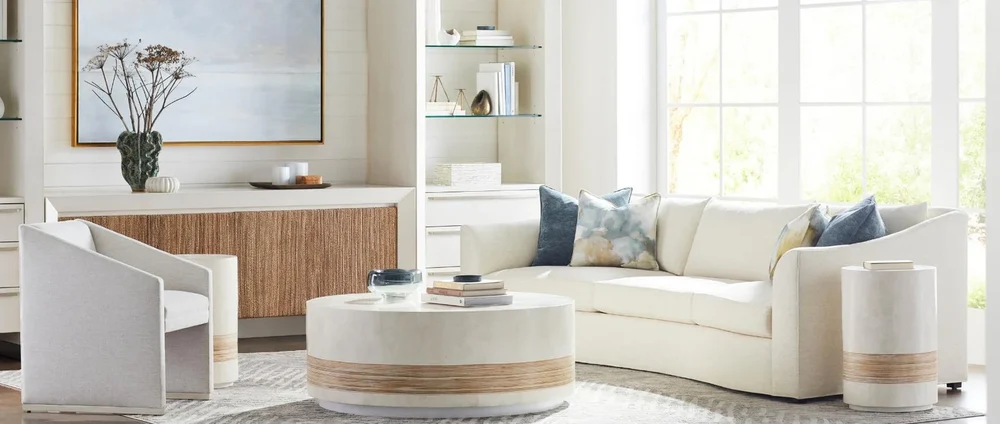
Choosing furniture for a home involves more than selecting attractive pieces. Proportion, materials, construction, comfort, functionality, and room layout all influence whether furniture works successfully within a space. When homeowners are looking for a luxury furniture store in Mississauga, understanding these factors can make the selection process more deliberate and practical. The right furniture should complement the dimensions and purpose of a room while also providing durability and comfort for everyday use.
Start With Your Room and Lifestyle
Before visiting a showroom or browsing furniture collections, consider how each room is used. A formal living room may require different seating arrangements from a family room that experiences frequent daily use. Similarly, dining furniture should accommodate the number of people who regularly use the space without making movement difficult.
Measure the room carefully, including doorways, hallways, windows, and existing architectural features. Furniture dimensions should be compared against these measurements before making a purchase. A visually impressive sofa or dining table may not be practical if it overwhelms the room or cannot be moved through the home’s entry points.
Evaluate Materials and Construction
Material selection affects both appearance and longevity. Solid wood, engineered wood, metal, glass, leather, and different upholstery fabrics each have distinct characteristics. The best choice depends on the intended use and the level of maintenance a household is prepared to perform.
Construction details deserve equal attention. Look at joints, drawer mechanisms, hardware, stitching, frame construction, and the overall stability of each piece. For upholstered furniture, examine the cushioning and support system rather than judging comfort solely by appearance.
A reputable furniture store in Mississauga should make it possible to understand important product specifications and compare construction details before committing to a purchase.
Consider Scale and Proportion
Furniture should relate appropriately to the size of the room and to other pieces within it. A large sectional can work effectively in an expansive living area but may restrict movement in a compact room.
Proportion also matters within individual furniture arrangements. Coffee tables should provide sufficient space around seating, dining chairs should fit comfortably beneath the table, and storage pieces should not obstruct pathways.
Using measurements and a simple floor plan can help homeowners visualize how furniture will fit before bringing it into the room.
Balance Style With Function
A furniture style should reflect personal preferences while remaining practical. Contemporary, traditional, transitional, minimalist, and other design approaches can each create a different atmosphere.
However, style should not override usability. A dining chair may look elegant but become uncomfortable during long meals. A decorative storage cabinet may have limited capacity. A sofa with delicate upholstery may require more maintenance than a household wants to provide.
When comparing a luxury furniture store in Mississauga, look for pieces that combine visual character with practical features suited to everyday life.
Think About Color and Texture
Color can influence how large, bright, or cohesive a room feels. Neutral furniture can provide flexibility, while stronger colors can become focal points.
Texture is equally important. Combining smooth, woven, natural, polished, and upholstered surfaces can add visual depth without requiring excessive decoration.
Rather than choosing every item separately, consider how furniture will interact with flooring, wall colors, lighting, artwork, and existing pieces. A cohesive palette can make different furniture styles feel connected.
Consider Long-Term Versatility
Furniture is often a long-term investment, so versatility can be valuable. Pieces with adaptable shapes, neutral finishes, or timeless proportions may remain useful if the home’s décor changes.
Shop With a Clear Plan
Having a defined list of measurements, required furniture types, preferred materials, and practical priorities can make shopping more efficient. It also reduces the likelihood of making decisions based solely on appearance.
Homeowners should compare product dimensions, materials, care instructions, warranties, delivery considerations, and assembly requirements before purchasing. Taking these details into account helps create a home that looks considered while remaining comfortable and functional.
Conclusion
Selecting furniture successfully requires a balance between design, proportion, material quality, comfort, functionality, and long-term suitability. For those researching local options, HAVNHOM can be included in the broader consideration of furniture sources available to homeowners. A thoughtful approach can help homeowners create interiors that feel cohesive without sacrificing everyday practicality.