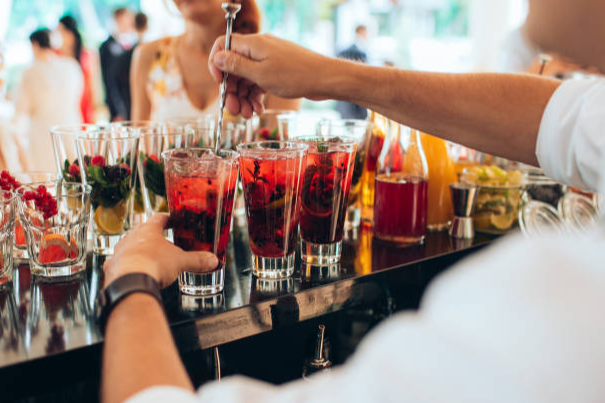
A wedding toast, a signature cocktail, and a well-stocked bar are moments guests remember long after the music ends. Yet drinks are also one of the most complicated parts of a reception to plan, because they involve licensing, staffing, inventory, timing, and guest flow all at once. Couples who understand how wedding bar catering works can avoid long lines, shortages, and stress on the big day. Whether you are planning a small garden ceremony or a large ballroom celebration, researching wedding bar catering in Minneapolis early helps you match your budget, venue rules, and guest count with the right setup. Local conditions matter too, from seasonal weather and venue policies to state alcohol laws that shape what is allowed. This guide explains the main service models, the questions worth asking, and the planning details that keep the bar running smoothly from the first pour to the last call.
Menus, Staffing and Drink Quantities
Start with the menu. Most couples choose between a full bar, a beer and wine bar, or a limited menu built around a few signature drinks. A full bar offers variety but needs more stock, equipment, and staff, while a limited menu keeps costs predictable and speeds up service. When comparing wedding catering and bar service options, check whether the provider supplies glassware, ice, mixers, garnishes and cleanup, or whether those items fall to you. Staffing is just as important. A common guideline is one bartender for every 50 to 75 guests, with extra help for cocktail hours or heavy-pour crowds. Trained bartenders also monitor consumption and check identification, which protects guests and hosts alike.
For quantities, plan on roughly one to two drinks per guest in the first hour and about one per hour afterward. In a city with distinct seasons, wedding bar catering in Minneapolis often needs flexible menus, with light drinks for summer afternoons and spirits or warm cocktails for winter evenings. Always include non-alcoholic choices so every guest feels included. Signature drinks tied to the couple’s story add personality without expanding the inventory.
Licensing, Venue Rules and Bar Layout
Legal details deserve attention. Minnesota requires proper licensing and liability coverage for alcohol service, and many venues have their own rules about outside vendors, serving hours, and certificates. Ask the venue whether it holds a liquor license and whether a licensed provider must handle service. Layout also affects the experience. Place the bar away from the entrance and the dance floor to prevent crowding, and consider a second station for larger guest lists. A mobile bar service for weddings can be set up in barns, tents, backyards, and other venues without a built-in bar, which gives couples more freedom in choosing a location. Power, water access, shade, and a flat surface should be confirmed before the day. Rain plans for outdoor bars, such as tents or covered patios, are worth settling early.
Couples comparing wedding bar catering in Minneapolis options should request written quotes that list what is included, such as setup time, bartender hours, travel fees, and breakdown. Clear paperwork prevents surprise charges and keeps expectations aligned on both sides.
Conclusion
Good planning turns the bar from a source of stress into a highlight of the reception. Begin by setting a drinks budget, estimating headcount and confirming venue rules, then build the menu around the season and the style of the event. Ask providers about licensing, staffing ratios, and tastings so there are no surprises. A written timeline for service, including when the bar opens, closes, and pauses for toasts, helps staff and guests alike. Some couples compare local specialists such as Picnic Pours to see how different providers structure packages, staffing, and menus. Finally, remember that wedding bar catering in Minneapolis works best when the plan is simple, flexible, and confirmed in writing well before the wedding date. Share the final headcount and timeline with your provider a week ahead, and leave room for last-minute changes such as extra guests or weather shifts.