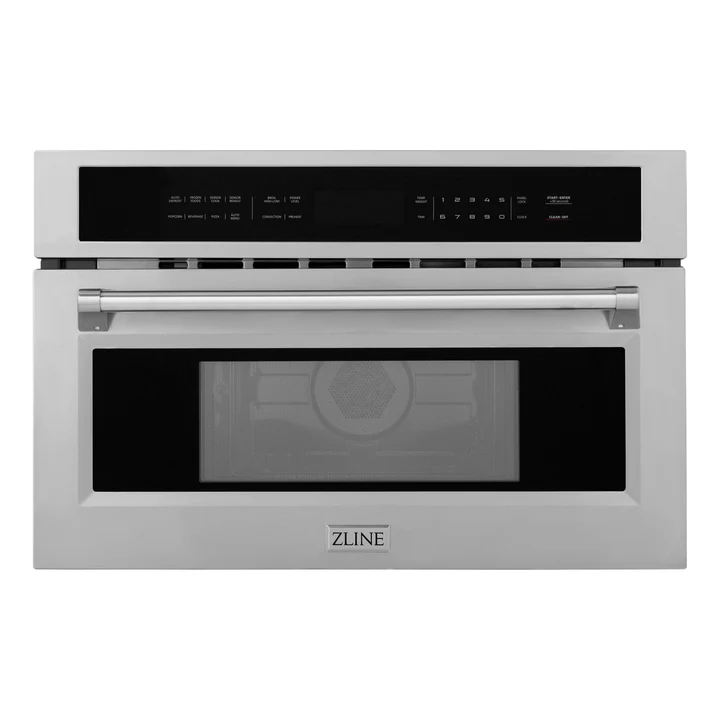
A kitchen upgrade often begins with a simple question: what actually changes when the cooking equipment gets better? The answer goes well beyond appearance. Precision heat control, sturdy construction, and thoughtful engineering all shape how food turns out and how enjoyable daily cooking feels. Understanding high-end cooking appliances means looking at materials, performance, and long-term value rather than brand names or price tags alone. The sections below explain what to evaluate before investing.
Build Quality and Materials That Last Decades
Heavy-gauge stainless steel, solid brass burners, and cast-iron grates are common in the top tier of the market, and they resist warping, corrosion, and heat stress far better than thin stamped parts. Knobs and hinges made from metal rather than plastic feel more solid and tend to outlast repeated use. Buyers who compare luxury cooking appliances will notice the difference in weight, door seals, and finishing details, all of which point to how the unit will age in a busy household.
Burner Output and Temperature Precision
Gas ranges are measured in BTUs, and a strong burner can exceed 18,000 BTU for fast searing and boiling. Just as important is the low end, where a true simmer burner holds gentle heat for delicate sauces without scorching. Induction cooktops offer another route, delivering fast, exact adjustments through magnetic energy while keeping the surface cooler. Reviewing both maximum output and minimum control gives a fuller picture than a single headline number.
Oven Performance and Even Heat Distribution
Uneven baking is a common frustration, and better ovens address it with true convection fans, well-insulated cavities, and accurate thermostats. Multiple racks should cook evenly without rotating pans. Features such as steam assist, proofing modes, and precise low-temperature settings expand what a home cook can attempt. When exploring premium kitchen appliances, check interior capacity, rack positions, and whether the oven can hold a set temperature within a few degrees, since consistency matters more than peak heat.
Ventilation and Air Quality Above the Cooktop
Powerful cooking creates smoke, grease, and moisture that must be removed. Range hoods are rated in cubic feet per minute, and stronger burners typically need higher airflow. Ducted hoods vent outdoors and work best, while quiet, multi-speed fans keep the kitchen comfortable during long sessions. Baffle filters are easier to clean than mesh, and they capture grease more effectively. Match hood width to the range, ideally extending slightly beyond it, so vapor is captured before it spreads through the room.
Design, Finishes, and Kitchen Integration
Appearance matters because these units often become the focal point of the room. Professional-style ranges typically feature bold knobs, clean lines, and finishes such as stainless steel, matte black, or custom colors. Choosing high-end kitchen equipment that aligns with cabinetry, countertops, and lighting creates a cohesive look. Consider how doors open, how far the range protrudes, and whether trim kits allow a flush installation. Planning these details early prevents awkward gaps and costly adjustments.
Smart Features and Everyday Convenience
Connectivity has become a genuine benefit rather than a gimmick. Wi-Fi ovens can preheat remotely, send alerts when timers finish, and receive software updates over time. Self-cleaning cycles, hidden bake elements, and easy-glide racks reduce maintenance effort. Households adding luxury home appliances should weigh which features they will truly use, since simplicity often serves busy cooks better than an overloaded control panel.
Serious Cooking Power for Serious Home Chefs
Restaurant-inspired equipment brings commercial ideas into residential design, including larger burners, griddles, and heavy-duty ovens. Home cooks who entertain often or prepare complex meals benefit from this added capacity. Choosing professional cooking appliances also requires planning for clearances, gas lines, and ventilation, because higher output places greater demands on the surrounding space and utilities.
Conclusion
Evaluating construction, heat control, oven consistency, ventilation, and design gives buyers a reliable framework for comparing options with confidence. A thoughtful selection of high-end cooking appliances supports better cooking results, a more comfortable kitchen, and lasting value. For those who want to browse a range of options in one place, Smart Home Luxury offers a selection of cooking appliances that can help shoppers compare styles and features. Careful measuring, realistic feature choices, and proper installation turn a strong purchase into a kitchen that performs beautifully for many years.