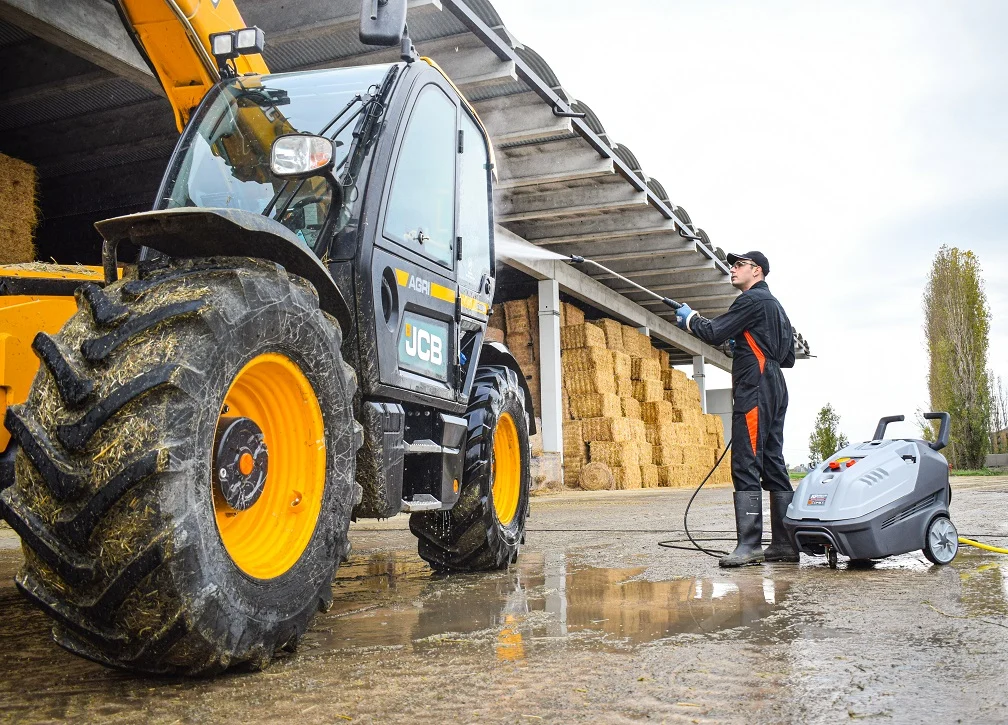
Large commercial cleaning projects require equipment that can handle more than occasional dirt removal. Cleaning loading areas, construction equipment, concrete surfaces, fleet vehicles, and industrial workspaces often involves wide areas where both cleaning force and water volume affect how efficiently the work can be completed.
For businesses that regularly manage larger cleaning jobs, a 5 GPM pressure washer can provide the water flow needed to move loosened dirt across wider surfaces. This level of flow can be useful when cleaning tasks are too large for smaller machines but do not necessarily require the highest-capacity equipment available.
Pressure is still important, but GPM can have a major influence on rinsing performance. A pressure washer may loosen dirt effectively, yet the job can remain slow if there is not enough water to carry that material away. Understanding how water flow affects real cleaning conditions can help commercial users choose equipment that matches the scale of their work.
Why Water Flow Matters in Commercial Cleaning
Gallons per minute describe how much water a pressure washer delivers while it is operating. Higher flow allows more water to reach the cleaning area, which can improve how quickly dirt, mud, detergent, and other loosened material are rinsed from the surface.
For operations dealing with very large cleaning areas, an 8 GPM pressure washer can provide even greater rinsing capacity. This type of equipment may suit industrial yards, large vehicle fleets, construction sites, or other environments where covering substantial areas efficiently is an important part of the cleaning process.
The benefit of additional water flow becomes easier to see as the job gets larger. On a small surface, the difference between moderate and high flow may not significantly change the total cleaning time. Across a large commercial property, however, greater water volume can help operators move dirt away more effectively and reduce repeated rinsing.
This is why GPM should be considered alongside PSI rather than treated as a secondary specification. Pressure breaks contamination away from the surface, while water flow helps complete the cleaning process by moving that contamination out of the work area.
Larger Cleaning Areas Need Better Rinsing Capacity
The amount of surface being cleaned can strongly influence which pressure washer is suitable. A machine that performs well on individual equipment may feel much slower when the same operator needs to clean a large concrete yard or several vehicles in one session.
Large surfaces produce more loosened dirt during cleaning. Once mud, dust, grime, or detergent has been separated from the material underneath, enough water is needed to move it toward drains or other collection areas. Limited flow can cause operators to spend more time repeatedly rinsing sections that have already been pressure washed.
Higher GPM can make this stage more efficient because more water is available during each pass. The operator can continue moving across the surface instead of concentrating repeatedly on the same area just to clear remaining debris.
This can be particularly useful for businesses where cleaning must be completed within a limited maintenance window. Faster rinsing may help reduce the amount of time a loading area, service bay, or work zone needs to remain unavailable.
Why PSI Alone Does Not Tell the Full Story
Pressure washer specifications often highlight PSI because it is easy to associate higher pressure with stronger cleaning. While PSI is important, it only describes the force of the water and does not show how much water is actually reaching the surface. A machine with strong pressure can loosen stubborn contamination effectively, but the overall job may still take longer if the flow rate is too low for the size of the area. This is especially noticeable when cleaning mud, loose material, or detergent from large surfaces.
GPM provides the volume needed to carry loosened contamination away. The best cleaning performance usually comes from an appropriate balance between pressure and flow rather than maximizing one specification. Commercial buyers should therefore consider what they clean most often. Equipment used for small machinery may need a different pressure-and-flow balance from a machine expected to clean large concrete areas every day.
How Higher Flow Helps With Equipment and Fleet Cleaning
Commercial vehicles and heavy equipment create another situation where water flow can affect productivity. Trucks, trailers, construction machines, and service vehicles can collect mud, road grime, dust, and other material across a large exterior surface. Cleaning one vehicle may not create a major time difference between machines, but the situation changes when several vehicles need attention during the same shift. Rinsing efficiency becomes more important because the process is repeated again and again.
Greater water flow can help carry loosened material away from wheels, body panels, undercarriages, and other washable surfaces. This can be particularly useful after detergents have been applied or when heavy dirt has already been broken down by pressure. The complete cleaning setup still matters. Hose placement, nozzle choice, vehicle spacing, and access around the equipment can all affect how quickly the work is completed. Higher flow provides the most value when the overall process is organized efficiently.
Water Supply Must Support the Machine
A higher-flow pressure washer needs a water source capable of supplying the required volume consistently. If the incoming water supply is too limited, the machine may not be able to operate as intended. This is an important consideration for commercial facilities because water availability can vary significantly from one site to another. A large industrial property may have a strong water supply, while a temporary job site or smaller facility may have more limited access.
Mobile cleaning businesses need to think about this carefully because they may work at different locations throughout the week. Equipment that performs well at one site may face supply limitations somewhere else if the available water source cannot provide enough volume.
Checking water availability before selecting equipment helps avoid this problem. The required GPM should fit both the cleaning job and the supply conditions where the machine will actually be used.
Higher Flow Can Improve Large Surface Cleaning
Concrete yards, warehouse entrances, service areas, and outdoor workspaces often collect dirt across broad sections rather than in one isolated spot. Cleaning these areas efficiently requires the operator to keep moving while still removing enough material from the surface. A higher-flow machine can support this type of work because more water is available to rinse each section after the pressure has loosened contamination. This can reduce the need to repeatedly return to areas where dirt has already been broken apart.
Surface cleaners and other pressure-washing accessories can also benefit from suitable flow, depending on the equipment being used. Proper water delivery helps maintain a consistent cleaning pattern while covering wider areas. However, the surface should still guide the cleaning technique. More water does not mean the operator should automatically use maximum pressure. Nozzle choice, working distance, and surface condition remain important even when the machine provides strong flow.
Drainage Becomes More Important on Large Jobs
Using more water also means that more wash water must be managed during the cleaning process. This can become an important practical issue on commercial properties where drainage is limited. A well-drained concrete area may handle higher water volumes without creating major problems. Other surfaces may allow water to collect in low spots, around equipment, or near entrances where standing water can interfere with normal operations.
Before beginning a large cleaning job, businesses should understand where the water will travel. Dirt and debris should not simply be pushed into another part of the property where they create a new maintenance problem. Wastewater may also contain grease, detergent, oils, or other contaminants depending on the type of work being performed. Appropriate site procedures and applicable requirements should be considered when deciding how cleaning water will be handled.
Choosing the Right Flow for Everyday Work
The best GPM level depends on the cleaning jobs a business performs regularly. Buying equipment for an occasional extreme task may result in a machine that uses more water and capacity than necessary during everyday work. A contractor cleaning moderate commercial areas may find that a mid-range flow provides the right balance between productivity and water use. Larger industrial operations may benefit more from higher-flow equipment because the additional rinsing capacity supports bigger cleaning areas.
Operating time should also be considered. A machine used for several hours each day has different demands from equipment that is only brought out occasionally. Water consumption, fuel or electricity use, operator comfort, and maintenance all become more important as usage increases. The most practical choice is usually the machine that handles common work efficiently while still providing enough capacity for the larger jobs the business reasonably expects to encounter.
Maintenance Helps Preserve Flow Performance
Pressure washer performance can decline when the water system is not maintained properly. Filters, hoses, fittings, pumps, spray guns, and nozzles all influence how effectively water moves through the machine. A restricted inlet filter can reduce water supply, while a damaged hose or worn fitting can affect the system during operation. Nozzle problems can also change the spray pattern and reduce cleaning efficiency even when the machine itself is still running. Routine inspections can help identify these problems early. Commercial users should pay attention to changes in spray consistency, pressure, leaks, unusual sounds, and other signs that equipment may need attention.
Pressure King serves the commercial pressure-washing equipment market, where businesses may compare different machine capacities based on their cleaning requirements. Whatever equipment is selected, maintaining the water system properly helps preserve the performance the machine was purchased to provide.
Final Thoughts
Higher GPM pressure washers can provide a clear advantage when commercial cleaning involves large surfaces, repeated vehicle washing, heavy rinsing, or substantial amounts of loose material. Additional water volume helps carry contamination away after pressure has loosened it from the surface.
The right flow rate still depends on the actual job. Water supply, surface area, drainage, pressure requirements, operating time, and daily cleaning needs should all be considered before selecting equipment. For some businesses, moderate commercial flow may provide everything needed for routine work. Larger operations may benefit from higher-capacity machines when the additional water volume directly supports faster cleaning.
Choosing equipment around real working conditions helps businesses gain the benefits of higher flow without adding unnecessary water demand or machine capacity.
