It starts with one pill before a long day at the desk. A few months later, it takes two, the relief fades by mid-afternoon, and your stomach has started to complain. If that pattern sounds familiar, you are not imagining it, and you are far from alone. Many New Yorkers living with back, neck, or joint pain reach a point where medication no longer does what it used to. That is often when people start asking about acupuncture for pain relief NYC and if it can help. Here is what to understand before you take that step.
Why Pain Medication Can Lose Its Effect Over Time
Pain relievers are useful tools, but they have limits. With regular use, some medications lead to tolerance, meaning the same dose produces less relief than it once did. Others come with trade-offs that grow over time:
- Stomach irritation and kidney strain with long-term use of over-the-counter anti-inflammatories
- Rebound headaches, known as medication overuse headaches, when people take pain relievers too often
- Drowsiness or foggy thinking that makes work and commuting harder
There is also a simpler problem. Medication quiets the pain signal, but it rarely changes what is producing it. Tight muscles, poor posture, and nerve irritation often remain in place underneath.
How Acupuncture Approaches Pain Differently
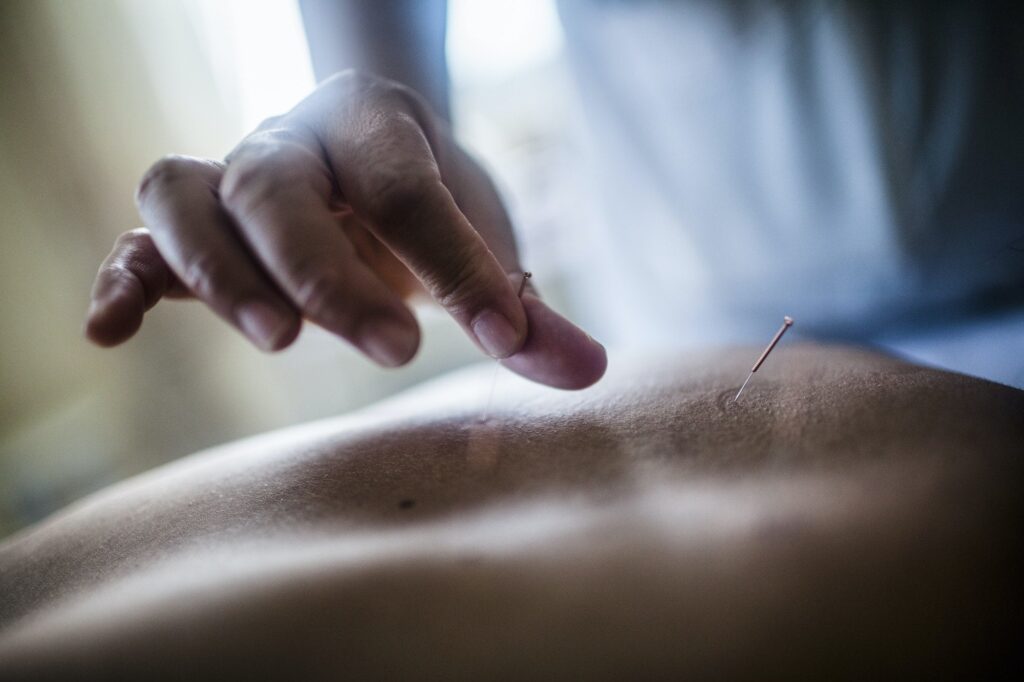
Acupuncture uses thin, sterile needles placed at specific points to influence how the body produces and processes pain. Research suggests it stimulates the nervous system, encourages the release of natural pain-relieving chemicals, improves local circulation, and relaxes guarded muscles. A 2018 analysis of more than 20,000 patients, published in The Journal of Pain, found that acupuncture outperformed sham (placebo) needling and no-acupuncture control groups for chronic pain, with benefits that largely persisted over time.
East Asian medicine adds another layer. Practitioners view pain as a sign that Qi, the body’s vital life force energy, and blood are not moving freely. Rather than focusing only on the spot that hurts, acupuncture treatment for pain NYC typically looks at posture, stress, sleep, and daily habits that keep the problem coming back.
Working With Your Doctor, Not Around Them
Acupuncture works best as a complement to conventional medical care, not a replacement for it. If you take prescription pain medication, never reduce or stop it on your own. Talk with your prescribing physician first and let them know you are starting acupuncture. Some patients work with their doctor to adjust medication as symptoms improve, but that decision belongs to you and your medical team. Your acupuncturist should also know about every medication you take, including blood thinners, since this can affect how they plan your treatment.
What to Expect From Treatment
Your First Visit
An initial appointment includes a detailed conversation about your pain history, a physical assessment, and your first treatment. Most people feel little more than a brief pinch or a dull, heavy sensation as the needles settle in, followed by deep relaxation. In NYC, initial consultations generally range from $150 to $350, with follow-up visits typically between $150 and $300.
Building Progress Over Time
Pain that took years to develop rarely resolves in a single session. Many patients notice meaningful change within four to six visits, while longstanding conditions may take longer. Acupuncture treatment for pain in NYC may also include electroacupuncture, which adds a gentle electrical current to the needles, or cupping to release tight muscle tissue. A good practitioner will track your progress and adjust the plan as your body responds.
Signs It May Be Time to Explore Another Option
Consider a conversation with your doctor about complementary care if you notice any of the following:
- You need higher or more frequent doses to get the same relief
- Relief wears off sooner than it used to
- Side effects are affecting your digestion, sleep, or focus
- Pain still interrupts your workday or wakes you at night
Finding Relief That Lasts
Painkillers can still have a place in your care, but they do not have to be the only tool you rely on. Needle-based pain care from a licensed acupuncturist in Manhattan can work alongside your medical treatment to address what sits beneath the pain. Start with an honest conversation with your doctor, then find a practitioner who takes the time to understand your whole picture.
