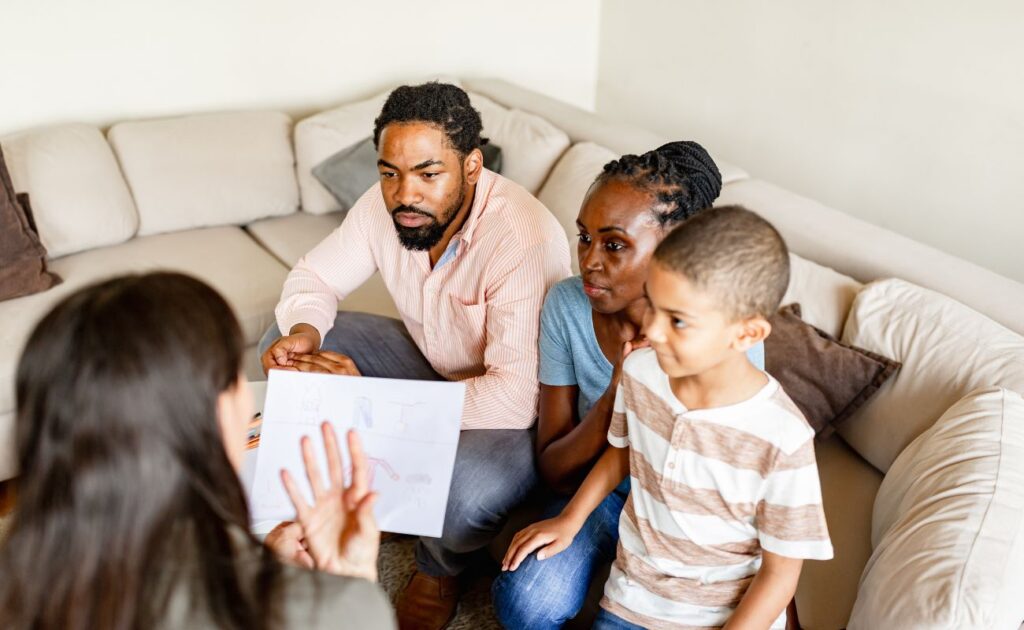
Families share many special moments, but they also face challenges that can affect relationships and emotional connections. Arguments, misunderstandings, stress, and major life changes can sometimes create distance between family members. While some problems can be solved through open conversations, others may require professional guidance.
Family counseling helps family members understand each other better, improve communication, and find healthier ways to handle conflicts. Knowing when to seek support can help prevent problems from becoming more serious and allow families to rebuild stronger relationships.
What Is Family Counseling and Why Does It Matter?
Family counseling is a form of professional support that helps families work through relationship difficulties. It provides a comfortable space where every family member can share their thoughts, feelings, and concerns without fear of judgment.
The main goal of counseling is not to decide who is right or wrong. Instead, it focuses on helping family members listen to each other, understand different viewpoints, and create better ways to handle problems together.
Many families choose family counseling in Ogden when they experience ongoing conflicts, communication issues, or emotional struggles. Getting support at the right time can help improve family relationships and create a more positive home environment.
Common Signs Your Family May Need Counseling
Every family experiences disagreements from time to time. However, certain situations may show that extra support could be helpful. Recognizing these signs early can make it easier to solve problems and strengthen family connections.
Frequent Arguments That Never Get Resolved
Regular disagreements can become stressful when the same issues continue without a solution. Repeated arguments may create anger, frustration, and emotional distance between family members.
When conversations often turn into fights instead of solutions, counseling can help families understand the reasons behind these conflicts. A counselor can guide discussions and teach family members how to express their feelings more calmly and healthily.
Communication Problems Within the Family
Good communication helps families stay connected. When family members stop sharing their thoughts, avoid conversations, or struggle to understand each other, relationships can become weaker.
Counseling can help improve communication by teaching family members how to listen carefully, express emotions clearly, and respond with more understanding. Better communication can reduce misunderstandings and help everyone feel heard and respected.
Difficult Family Changes and Life Transitions
Changes in family life can bring emotional stress. Moving to a new place, changes in relationships, financial pressure, or other unexpected situations can affect how family members interact with each other.
Even when changes are positive, adjusting to a new situation can be difficult. Counseling can help families manage these changes by improving emotional support and helping everyone adapt together.
Emotional Distance Between Loved Ones
Sometimes family members may feel disconnected even when they spend time together. A lack of meaningful conversations, reduced support, or unresolved issues can slowly create emotional distance.
Family counseling helps identify the reasons behind this distance and encourages family members to rebuild trust and connection. Through honest conversations, families can understand each other’s feelings and improve their relationships.
Changes in Children’s or Teenagers’ Behavior
Children and teenagers may show emotional struggles through changes in their actions. Increased anger, withdrawal, mood changes, or difficulty following family rules can sometimes indicate deeper concerns.
Counseling can help parents understand these changes and improve their relationship with their children. It also gives younger family members a chance to share their feelings in a safe and supportive environment.
Situations Where Family Counseling Can Be Helpful
Family counseling can support families dealing with many different challenges. It can be useful for improving relationships, managing stress, and creating a healthier way of communicating.
Some common situations where families may consider counseling include:
- Ongoing disagreements that affect daily family life
- Difficulty understanding each other’s feelings or needs
- Problems adjusting to major changes
- Loss of trust between family members
- Parenting challenges and differences in family expectations
Seeking support does not mean a family has failed. It simply means they are willing to work together and improve their relationships.
Benefits of Family Counseling
Family counseling provides several benefits that can help create stronger and healthier relationships. It encourages family members to work together instead of dealing with problems separately.
| Focus Area | How Family Counseling Helps |
| Communication | Helps family members share thoughts and feelings more clearly |
| Conflict Resolution | Teaches better ways to handle disagreements |
| Emotional Connection | Helps rebuild closeness and understanding |
| Trust Building | Supports healing after relationship struggles |
| Family Support | Creates a stronger and more positive environment |
Counseling can also help families recognize unhealthy patterns that may be causing repeated problems. Understanding these patterns makes it easier to create positive changes and improve relationships over time.
Family Counseling Is Not Only for Major Problems
Many people believe counseling is only needed when families face serious issues. However, it can also be helpful for families who simply want to improve their relationships and communication.
Early support can prevent small concerns from becoming bigger problems. Families can learn better ways to handle disagreements, support each other, and maintain stronger connections.
Just like people take steps to protect their physical and financial well-being, taking care of family relationships is also important. Counseling can provide valuable tools for building a happier and healthier family life.
What Happens During a Family Counseling Session?
During the first sessions, a counselor usually learns about the family’s concerns and understands each person’s point of view. Every family member may have a chance to explain their feelings and experiences.
The counselor helps guide conversations, identify challenges, and create strategies for improvement. Sessions may focus on communication skills, emotional understanding, and ways to solve problems together.
The counseling process is different for every family. The time needed depends on the concerns being addressed and the willingness of family members to participate.
How to Encourage a Loved One to Try Counseling
Starting a conversation about counseling can sometimes feel difficult. Some family members may feel unsure or uncomfortable about seeking help.
It is important to approach the topic with kindness and understanding. Instead of blaming someone for problems, explain that counseling is an opportunity to improve relationships and create a better family environment.
Listening to their concerns and giving them time to understand the process can make them more open to seeking support.
Why Seeking Help Early Is Important
Family problems often become more difficult when they are ignored for a long time. Small misunderstandings can grow into bigger conflicts if family members do not address them.
Getting support early can help families learn healthier communication habits and prevent emotional distance. Counseling allows families to work through challenges while building stronger connections.
Taking action at the right time can make a meaningful difference in maintaining positive and supportive relationships.
Creating Stronger Family Connections
Families go through different stages and challenges throughout life. Conflicts and disagreements are normal, but they do not have to damage relationships permanently.
Family counseling can help loved ones reconnect, communicate better, and understand each other’s emotions. Whether a family is facing ongoing conflicts, emotional distance, or life changes, professional guidance can provide valuable support.
Choosing counseling is a positive step toward creating a more understanding and caring family environment. With patience, honesty, and teamwork, families can overcome challenges and build stronger relationships for the future.
Frequently Asked Questions
1. When is the right time to consider family counseling?
The right time to consider family counseling is when conflicts, communication problems, or emotional distance start affecting daily life. Seeking support early can help families address concerns before they become more difficult and improve relationships through better understanding.
2. Can family counseling help with communication problems?
Yes, family counseling can improve communication by helping members express their thoughts clearly and listen to each other. It creates a safe environment where everyone can share feelings, understand different viewpoints, and develop healthier ways to interact.
3. Is family counseling useful for families without serious conflicts?
Yes, families do not need major problems to seek counseling. It can help improve relationships, strengthen emotional connections, and teach better communication skills that support a healthier and more positive family environment.
4. How long does family counseling usually continue?
The duration of family counseling depends on the family’s needs and goals. Some families may notice progress quickly, while others may require more sessions to address deeper concerns and build lasting improvements in relationships.
5. Can family counseling help parents and children understand each other?
Yes, family counseling can improve understanding between parents and children by encouraging open conversations and emotional support. It helps family members recognize each other’s feelings, reduce conflicts, and create stronger bonds through better communication and trust.
