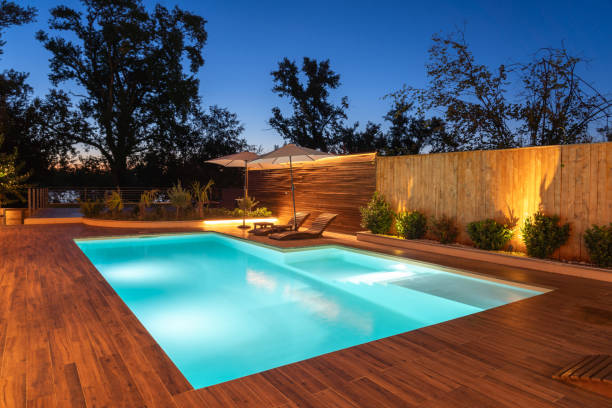
There’s nothing quite like the refreshing feeling of swimming in a well-maintained pool. The cool water, the soft sunlight bouncing off the surface, and the comfort of floating in a clean, healthy environment are all part of the allure. However, there are times when something just doesn’t feel quite right, and you notice that your pool water feels “off.” It could be murky, slimy, or even just uncomfortable against your skin. Understanding why this happens and how to fix it can save you from a less-than-enjoyable swim.
In this article, we’ll dive into the common reasons why pool water can feel off and provide solutions to restore your pool to its pristine state.
1. Imbalanced Pool Water Chemistry
One of the most common causes of pool water feeling off is poor water chemistry. If the pH, alkalinity, or chlorine levels are too high or low, the water can feel unpleasant. Here’s how these imbalances can affect the water:
- pH Level: If your pool’s pH is too low (acidic), it can cause the water to feel harsh on your skin and eyes. On the other hand, a high pH (alkaline) can lead to cloudy water and scale buildup on pool surfaces.
- Chlorine Levels: Chlorine is essential for sanitizing pool water, but if the chlorine levels are too high, it can give the water a strong, unpleasant chemical smell and cause irritation. Too little chlorine, on the other hand, can lead to bacterial growth, resulting in murky water.
- Alkalinity: Alkalinity helps stabilize the pH levels in your pool. If it’s too low or high, it can lead to pH fluctuations, causing the water to feel uncomfortable or even damaging to your pool equipment.
How to Fix It:
Test your pool’s water regularly using a reliable pool testing kit. Adjust the pH and alkalinity by adding pH increasers or decreasers, and balance your chlorine levels by adding the appropriate amount of chlorine. Ensure that your pool’s water chemistry stays within the recommended ranges:
- pH: 7.4 – 7.6
- Total Alkalinity: 80 – 120 ppm (parts per million)
- Chlorine: 1 – 3 ppm
2. High Cyanuric Acid (CYA) Levels
Cyanuric acid (CYA) is a stabilizer that helps protect chlorine from being broken down by the sun’s ultraviolet (UV) rays. While it’s beneficial for maintaining chlorine levels, too much CYA can cause problems. When CYA levels are too high, chlorine becomes less effective, leading to poor sanitation and potentially causing the water to feel off.
How to Fix It:
The best way to deal with high CYA levels is by diluting the pool water. If your CYA levels are over 100 ppm, you may need to partially drain and refill the pool with fresh water. After that, adjust your chlorine levels to ensure proper sanitation.
3. Excessive Calcium Hardness
Calcium hardness refers to the amount of dissolved calcium in your pool water. If calcium hardness levels are too high, the water can become hard and cause scaling on the pool surfaces, including tiles and equipment. This can lead to rough, uncomfortable pool surfaces and a generally unpleasant swimming experience. Conversely, low calcium hardness can cause corrosion of pool surfaces and equipment.
How to Fix It:
If calcium hardness levels are too high, you can use a calcium hardness reducer or partially drain and refill the pool with fresh water. Aim for a calcium hardness level between 200 and 400 ppm to maintain balance and comfort in your pool water.
4. Poor Filtration and Circulation
One of the most significant factors affecting pool water quality is the filtration system. If your pool’s filter is not working properly or if there are issues with water circulation, debris and contaminants can accumulate in the water, making it feel off. You might notice cloudy water, a slimy feeling, or debris floating on the surface.
How to Fix It:
Ensure that your pool’s filtration system is running efficiently. Clean or replace the pool filter if necessary, and make sure the pump is working correctly. A well-maintained filtration system helps remove debris, algae, and bacteria, ensuring the water stays clear and comfortable. Also, check your pool’s circulation by ensuring that the jets and returns are positioned properly for optimal flow.
5. Algae Growth
Algae can quickly turn your pool water from clear to green or cloudy. While algae in pool water is a common problem, it can cause the water to feel slimy and unpleasant. Algae thrive in warm, stagnant water and can rapidly multiply if the water chemistry is off or if the pool hasn’t been cleaned in a while.
How to Fix It:
If you notice algae growth, the first step is to shock the pool with a high dose of chlorine or pool shock. This will kill the algae and restore clarity. Additionally, brush the pool walls and floor to dislodge any remaining algae. Once the algae are gone, maintain proper chlorine levels and regular cleaning to prevent future growth.
6. Presence of Contaminants and Debris
Even with proper filtration, debris such as leaves, insects, dirt, and suntan lotion can accumulate in the pool over time. These contaminants can cause the water to feel sticky or oily, especially if not removed promptly. Sunbathers’ lotions and oils can leave a residue on the surface of the water, making it feel greasy.
How to Fix It:
Regular skimming and vacuuming are essential to remove debris and contaminants from your pool. Additionally, ensure that your pool is regularly brushed to remove dirt from the pool surfaces. For a deep clean, use a pool clarifier to help bind small particles and make them easier to filter out.
7. Temperature Imbalance
Water temperature plays a crucial role in how your pool feels. If the water is too warm or too cold, it can be uncomfortable for swimmers. Hot water can also encourage the growth of bacteria, while cold water can lead to muscle stiffness and discomfort.
How to Fix It:
If your pool has a heater, use it to maintain the water temperature at a comfortable level (typically between 78-82°F or 25-28°C). In the summer, consider using a pool cover to keep the water cool, and in colder months, ensure that your pool is heated or well-maintained to prevent the water from feeling too chilly.
8. Hard Water and Staining
Hard water contains high levels of minerals such as calcium and magnesium. While these minerals are not harmful, they can cause staining on the pool surfaces, leaving the water feeling gritty or unpleasant. You may notice a buildup of scale on the pool tiles or a cloudy, murky appearance.
How to Fix It:
To prevent scaling and staining, maintain a proper calcium hardness level and use a scale inhibitor if needed. If stains have already formed, use a pool stain remover specifically designed to treat mineral buildup. Regular cleaning and chemical maintenance can help prevent these issues from arising.
9. Pool Deck Installation and Maintenance
Another important factor that can influence the overall feeling of your pool water is the surrounding pool deck. Pool decks can affect the water temperature, cleanliness, and safety. Over time, cracks and wear on the deck can cause debris to fall into the pool, leading to contamination and a feeling of discomfort when swimming.
How to Fix It:
Regularly inspect and maintain your pool deck to ensure that it remains in good condition. For new installations, consider materials that minimize debris accumulation and are resistant to the elements, such as textured concrete, pavers, or composite decking. Proper drainage systems around the pool deck will also help prevent water buildup, keeping the area clean and reducing contaminants from entering the pool.
Conclusion
Having pool water that feels off can be frustrating, but fortunately, most issues can be addressed with the right knowledge and maintenance. By regularly testing your water, adjusting chemical levels, ensuring proper filtration, and removing debris, you can keep your pool water crystal clear, comfortable, and inviting for swimmers. Understanding the underlying causes of water discomfort will help you enjoy your pool to the fullest, making every swim a refreshing and relaxing experience. And remember, keeping your pool deck in top condition is just as important for the overall feel of your pool, providing a safe, clean, and aesthetically pleasing environment. Regular Swimming Pool Maintenance and the right pool deck installation will ensure your pool remains an enjoyable retreat all year long.