
Most people don’t think about their wisdom teeth until something hurts. A dull ache at the back of your jaw, a swollen gum, or a tooth pushing in the wrong direction are signs your body is sending you a message. If you live in Toronto and you’re weighing your options, understanding wisdom tooth extraction in Toronto starts with one thing: knowing which type of procedure you actually need.
Simple and surgical extractions are not the same. The costs differ. The recovery differs. And getting the wrong information can delay a procedure that should not wait.
What Happens Before Any Extraction
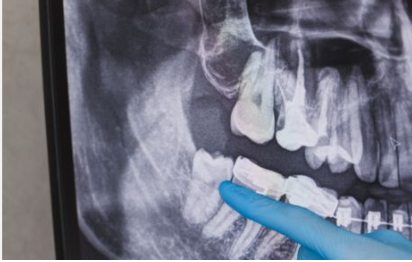
Before a dentist removes anything, they need to see what is happening under the surface. A panoramic X-ray shows the exact position of each wisdom tooth, how deep it sits, which direction it is growing, and whether it is pressing against the roots of your other teeth.
This step matters more than most people realize. Two patients can have the same complaint and end up needing completely different procedures. One may walk out in 20 minutes. The other may need a full surgical extraction with stitches. The X-ray determines which path your treatment takes.
Early evaluation is also important. Dentists in Toronto recommend getting assessed in your mid-to-late teens. The younger you are, the shorter the tooth roots and the softer the surrounding bone. Extraction at this stage is quicker, heals faster, and carries far fewer risks.
Simple Extraction: What It Means and When It Applies
A simple extraction applies when the wisdom tooth has fully erupted through the gum line. The tooth is visible, accessible, and not trapped in the bone. The dentist uses local anesthesia to numb the area and then loosens the tooth with a dental instrument before removing it.
The procedure is straightforward. Most simple extractions take between 20 and 40 minutes. You will feel pressure but no pain during the process.
Simple extractions are typically recommended when:
- The wisdom tooth has fully come through the gum
- It is not pressing into adjacent teeth
- There is no active infection or cyst around the root
Recovery from a simple extraction is faster. Most patients return to normal routines within two to three days. Soreness is manageable with prescribed or over-the-counter pain relief.
Surgical Extraction: When the Tooth Cannot Come Out Easily
Surgical extraction is necessary when the wisdom tooth is impacted. An impacted tooth is one that is stuck either fully beneath the gum, partially emerged, or growing at an angle into the neighboring molar.
This is the more common situation. Most wisdom teeth do not have enough room to grow straight. When they push sideways, they can damage the roots of adjacent teeth, trap food and bacteria under a flap of gum tissue, and create a condition called pericoronitis — a painful infection that can spread if left untreated.
During a surgical extraction, the dentist makes an incision in the gum tissue to access the tooth. In some cases, a small amount of bone must be removed. If the tooth is deeply angled, it may be sectioned into pieces and removed in parts. The site is then sutured closed.
The procedure takes between 30 and 90 minutes depending on complexity. You will be under local anesthesia throughout, though sedation options are available for patients who experience dental anxiety.
Waiting too long to address an impacted wisdom tooth increases the risk significantly. By your thirties or forties, the bone around the tooth becomes denser and the roots are fully formed. Extractions at this stage take longer, carry a higher chance of complications, and require a longer recovery period.
Wisdom Teeth Removal Cost Ontario: What You Should Budget
Cost is one of the first questions people ask, and it varies based on the type of extraction and the condition of the tooth.
For a simple extraction, the fee generally ranges from $200 to $400 per tooth. A surgical extraction for an impacted tooth typically falls between $450 and $750 per tooth, and in more complex cases, it can go higher. If you need all four wisdom teeth removed, the total can range from $600 to $2,000 depending on the complexity.
Additional costs can include diagnostic imaging, sedation if required, and post-operative medications. Asking your dental office for an all-inclusive quote before the procedure is always the smarter approach.
Most private dental plans in Ontario cover between 50% and 80% of wisdom tooth extraction costs when the procedure is medically necessary. OHIP does not cover dental extractions unless they are performed in a hospital setting due to a medical emergency. If you qualify for the Canada Dental Care Plan (CDCP), partial or full coverage may apply based on your age and income.
Many dental clinics also offer payment plans or third-party financing, which can spread the cost over time.
What to Expect During Recovery
Recovery after wisdom tooth extraction depends on how many teeth were removed and whether the procedure was simple or surgical. For most patients, the first 48 to 72 hours are the most uncomfortable.
Here is what proper post-operative care looks like:
- Bite gently on gauze for the first 30 to 60 minutes to control bleeding
- Keep your head elevated lying flat can prolong bleeding
- Avoid straws, smoking, and rinsing forcefully for at least 24 hours
- Start gentle saltwater rinses the day after surgery to keep the site clean
- Stick to soft foods like yogurt, soup, and mashed foods for the first few days
- Take prescribed medication as directed and do not skip doses
Swelling peaks around the second day and gradually decreases. Most patients feel significantly better by day four or five. Full tissue healing takes two to three weeks, while bone healing in deeper extractions can take a few months.
Dry socket is the most common complication. It occurs when the blood clot at the extraction site dislodges before healing is complete. If you notice sharp pain returning after a few days of improvement, contact your dental office immediately.
Wisdom Tooth Extraction in Toronto: Choosing the Right Dental Office
Not all dental clinics offer the same level of care. When choosing a dental office in Toronto for wisdom tooth extraction, look for a team that takes diagnostic imaging seriously, explains both options clearly, and gives you a written cost estimate before the procedure begins.
A dental clinic in North York or central Toronto that offers multiple services under one roof can make the process significantly more convenient especially if you need follow-up care, a prescription, or additional dental work after the extraction.
Ask about their experience with surgical extractions specifically. Ask whether sedation is available if needed. And ask what their aftercare process looks like. These questions tell you a lot about how a clinic operates.
The Risk of Waiting Too Long
Delaying wisdom tooth extraction is a common mistake. Many people manage the pain with over-the-counter medication and keep pushing the appointment back. But wisdom tooth complications do not resolve on their own.
An untreated impacted tooth can damage the roots of the molar next to it damage that may require additional procedures later. Recurring infections can spread to surrounding tissue. In rare cases, cysts can form around the impacted tooth and silently destroy the jawbone over time.
The earlier you act, the simpler the procedure tends to be.
Wisdom Tooth Extraction in Toronto: Your Next Step
If you have been experiencing jaw discomfort, swelling at the back of your mouth, or just know it is time to get an evaluation, do not put it off. A proper X-ray and consultation with an experienced dentist will give you clarity on exactly what your situation requires and what it will cost.
At HealthOne, a full-service dental and medical clinic with locations in Toronto, the dental team handles wisdom tooth extractions with precision from the initial X-ray to the follow-up appointment. Whether your case is straightforward or surgical, getting the right diagnosis is the first step.
Visit us and book your dental consultation today.
Frequently Asked Questions
Is wisdom tooth extraction painful?
No. The procedure is performed under local anesthesia, so you will not feel pain during the extraction. You may feel pressure. Mild soreness after the anesthesia wears off is normal and manageable with prescribed medication.
How long does recovery take after wisdom tooth removal?
Most patients recover within 3 to 7 days. Full healing of the gum tissue takes two to three weeks. Deeper bone healing can take a few months but does not usually cause discomfort.
Does OHIP cover wisdom tooth extraction in Toronto?
OHIP does not cover dental extractions in a regular dental office. Coverage only applies in certain hospital settings for medical reasons. Most private plans cover 50% to 80% of the procedure cost when it is medically necessary.
What is the difference between a simple and surgical extraction?
A simple extraction removes a fully erupted wisdom tooth. A surgical extraction is required when the tooth is impacted, partially erupted, or growing at an angle which requires an incision and sometimes removal of surrounding bone.
When should I get my wisdom teeth removed?
The ideal window is between the ages of 17 and 25. At this age, the roots are not fully formed and the bone is less dense, making the procedure simpler and recovery faster.
