Choosing footwear can make daily movement more comfortable for people with bunions. A bunion forms a prominence near the base of the big toe, where shoes may press against the joint. Well-fitting, bunion-friendly shoes can provide extra space around this area and reduce rubbing. Look for flexible uppers, suitable widths, and secure fastenings. Understanding these details helps Australian shoppers choose footwear for walking, work and social occasions with greater personal confidence.
How Do Shoes Affect Pressure on Bunions?
A bunion changes the shape of the forefoot, often creating a noticeable prominence beside the big toe joint. Shoe uppers can press against this area while you walk. A roomy forefoot gives toes and surrounding soft tissues more space.
Footwear also influences how weight moves across the foot. Heel height and sole shape can alter pressure beneath the forefoot. Considering both the space around the joint and the support underneath helps explain why thoughtful shoe design matters every day.
What Shoe Features Help Reduce Pressure on Bunions?
Several footwear details can make contact around the big toe joint more comfortable, including:
- Wide Toe Box: Choose a rounded front with space for the big toe and neighbouring toes.
- Soft Upper Materials: Consider supple leather or flexible fabric around the joint.
- Adjustable Fastenings: Laces and straps let you adjust throughout the day.
- Suitable Forefoot Width: Check available widths across the widest part of the forefoot.
- Smooth Interior: Check seams and firm edges near the bunion.
Together, these details can help create space around the joint while keeping the shoe secure during walking.
How Do Sole Design and Cushioning Affect Bunion Comfort?
Cushioning can soften impact under the foot during everyday walking. A stable sole can also provide a supportive base. The ideal balance depends on the wearer’s activity, walking pattern, and personal comfort preferences for daily wear.
Sole flexibility influences how footwear bends as the foot moves forward. A gentle rocker-shaped sole may help some people move through a step comfortably. Testing shoes on a level surface offers useful insight into how each particular footwear design feels.
How Can Women Choose Suitable Heels With Bunions?
When choosing comfortable heels for women, consider heel height and the shape of the shoe’s front. Lower heels generally place less weight towards the forefoot. A broad heel base may also provide greater stability during normal everyday walking.
For special occasions, look for styles with sufficient toe space and soft materials around the joint. Adjustable straps can help secure the foot. Try both shoes while standing and walking to confirm they feel comfortable before choosing a new pair.
How Should You Check the Fit of Shoes for Bunions?
A short fitting routine can reveal how footwear feels around the joint. Try these checks:
- Measure Both Feet: Measure length and width while standing, and use the larger foot as your reference.
- Check Joint Space: Assess how the upper rests beside the big toe joint while standing.
- Walk Naturally: Walk several steps across a level surface to assess comfort.
- Test Your Usual Socks: Wear your usual socks during fitting for a realistic assessment.
- Review Heel Security: Check heel security while walking and turning at a comfortable pace.
A calm fitting session helps you compare pairs based on real movement rather than appearance alone.
Which Everyday Shoe Styles May Suit People With Bunions?
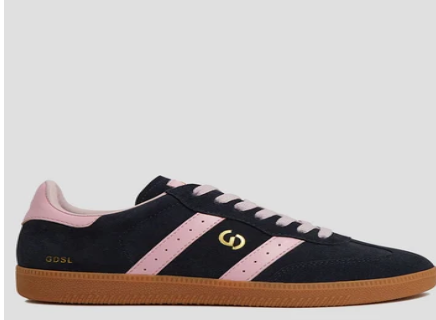
Casual trainers with generous forefoot space can suit errands and daily walks. Sandals with adjustable straps offer another option in warmer Australian weather. For office settings, consider flats with rounded fronts and uppers that feel pleasantly soft against the joint.
Different activities call for different levels of coverage and support. When comparing bunion-friendly shoes, consider how long you stand, your usual walking surfaces and preferred fastening style. These details help match the shoe’s design to your daily routines.
Conclusion
Choosing shoes for bunions starts with understanding where pressure develops around the big toe joint. A generous toe box, supple uppers, and adjustable fastenings can improve how footwear accommodates the forefoot. Sole design and heel height also affect how a shoe feels in motion. Trying shoes with everyday socks helps assess comfort in practice. By matching these features to daily activities, Australian shoppers can choose footwear that supports more comfortable walking and everyday wear.