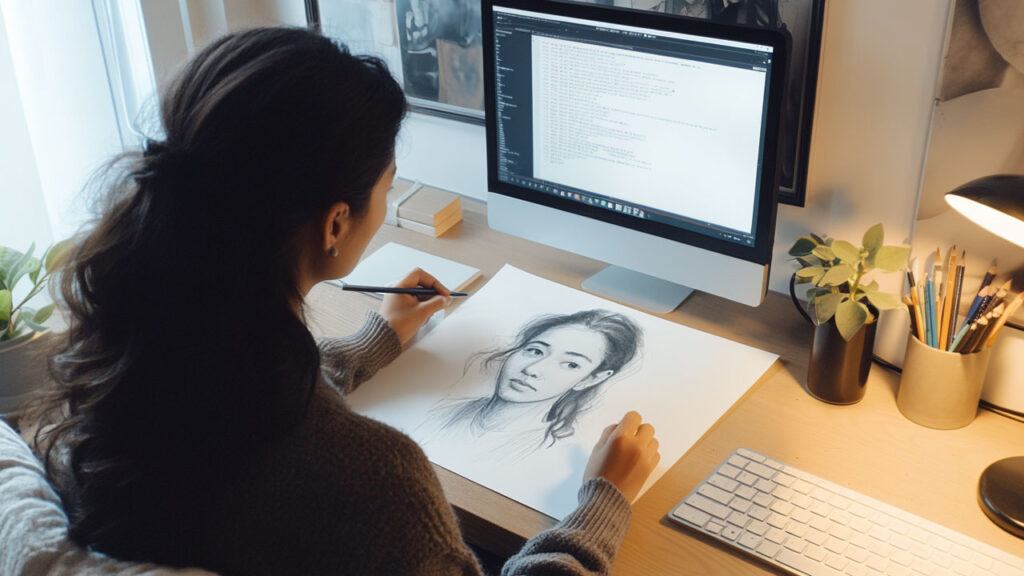
Artistic success depends on a combination of technical ability, creative thinking, and professional discipline. Many artists begin with strong passion but struggle to grow due to missing structured skills. Career development requires more than natural talent, especially in competitive creative fields. A successful Commission Artist develops drawing strength, digital proficiency, communication skills, and consistency. Each of these areas contributes to better artwork quality and stronger opportunities. A focused learning approach helps artists improve faster and build a stable career in both freelance and professional environments.
Strong Drawing Fundamentals
Drawing fundamentals form the foundation of every artistic skill. Proportion, anatomy, perspective, and shading determine how accurate and appealing artwork appears. Regular sketching strengthens hand control and visual observation. Studying real-life objects improves understanding of structure and depth. Perspective exercises help create realistic environments, while shading builds awareness of light behavior. Artists who consistently practice fundamentals develop stronger confidence in their work. These core abilities support all advanced techniques and allow smoother transition into digital and professional illustration work.
Essential Digital Art Tools
Digital tools play a major role in modern art creation. Software like Photoshop, Procreate, and Clip Studio Paint helps artists produce professional-quality illustrations. Understanding layers, brushes, and blending modes improves workflow efficiency. Graphic tablets enhance drawing precision and control. File organization ensures smooth project delivery for clients. Shortcut customization saves time during complex work. Brush settings and texture usage expand creative options. Learning these tools allows artists to handle multiple commissions and adapt to different project styles with greater speed and accuracy.
Composition and Visual Storytelling
Composition defines how visual elements are arranged within artwork. Proper structure guides viewer attention and improves clarity. Techniques like rule of thirds, balance, and leading lines help create strong layouts. Focal points highlight important areas and strengthen communication. Visual storytelling adds meaning by combining emotion, setting, and character expression. Artists who master composition create artwork that feels organized and engaging. This skill improves illustration quality across different styles, including character design, concept art, and narrative-driven visuals used in professional projects.
Color Theory and Lighting Skills
Color theory influences mood and emotional response in artwork. Understanding contrast, harmony, and saturation helps create balanced visuals. Warm and cool tones shape atmosphere and depth. Lighting defines form by controlling shadows, highlights, and reflections. Studying light sources improves realism and clarity in illustrations. Color studies help artists choose effective palettes for different themes. Proper lighting techniques bring life to flat drawings and enhance visual impact. Strong control over color and lighting improves overall artistic quality and creates more professional results.
Personal Branding and Marketing Skills
Personal branding helps artists stand out in competitive creative markets. A consistent visual identity across portfolios and platforms builds recognition. Social media presence increases visibility and audience engagement. Portfolio websites showcase professional work in an organized format. Clear style and niche selection attract targeted clients. Marketing knowledge supports better positioning within creative industries. Artists who understand branding gain more exposure and opportunities. A strong personal identity builds trust, making it easier to secure commissions and long-term creative collaborations.
Client Communication and Commission Workflow
Client communication plays a key role in successful commission work. Clear discussions about requirements, pricing, and deadlines prevent confusion. Structured workflows improve project management from concept to completion. Sketch approval stages allow early feedback and adjustments. Revision handling ensures smoother progress without delays. Final artwork delivery includes proper formatting for client needs. Professional communication builds trust and encourages repeat business. A well-managed commission process improves reputation and helps artists maintain steady income through reliable client relationships and organized project execution.
Consistency and Practice Habits
Consistent practice drives artistic improvement over time. Daily sketching builds muscle memory and improves drawing speed. Structured goals help maintain focus and direction. Studying different styles enhances creativity and technique understanding. Regular practice prevents skill decline and supports steady growth. Short but frequent sessions often produce better results than irregular long sessions. Reviewing progress helps identify strengths and weaknesses. Artists who maintain discipline in practice develop stronger skills and greater confidence, leading to faster career development and improved creative output.
Time Management and Creative Planning
Time management helps artists balance practice, projects, and commissions effectively. Organized schedules prevent missed deadlines and reduce stress. Planning work sessions improves productivity and focus. Prioritizing tasks ensures important projects receive attention first. Breaking large tasks into smaller steps increases efficiency. Setting clear goals for each session supports steady progress. Creative planning allows better use of energy and resources. Artists who manage time effectively maintain consistency in output and improve overall performance in both personal and professional projects.
Portfolio Development Strategy
A strong portfolio showcases skills and attracts clients. Selecting high-quality work ensures better presentation of abilities. Organizing artwork by category improves navigation and clarity. Including personal projects demonstrates creativity and style range. Regular updates keep the portfolio relevant and fresh. Clear presentation helps potential clients understand skill level quickly. A well-structured portfolio builds credibility and supports career growth. Artists who maintain updated portfolios increase chances of securing commissions and professional opportunities across different creative industries.
Conclusion
Artistic growth requires a balanced combination of technical skills, digital knowledge, communication ability, and consistent effort. Drawing fundamentals build the foundation, while digital tools improve efficiency and output quality. Composition, color theory, and lighting enhance visual impact. Branding and marketing create visibility, while client communication supports professional success. Consistent practice and time management ensure steady progress. A structured learning approach allows artists to grow faster, build stronger portfolios, and develop sustainable careers in competitive creative fields.