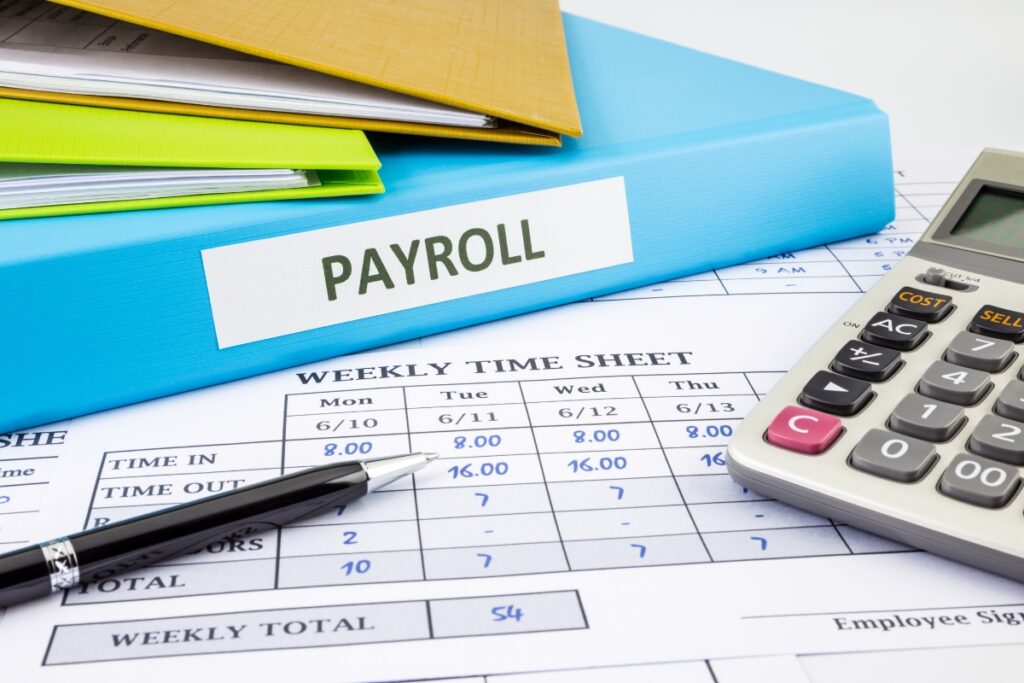
Handling payroll is one of the most important parts of running a business. It affects how employees feel about their work, how smoothly operations run, and whether a company follows legal rules. Over the years, businesses have moved from manual payroll methods to modern payroll solutions. This shift raises a common question: which one is better—payroll solutions or traditional payroll?
This blog explains both options in a simple way so you can decide what works best for your business.
What Is Traditional Payroll?
Traditional payroll is the old way of managing employee salaries. It usually involves manual work, such as using spreadsheets, paper records, or basic tools. In this method, a person calculates salaries, deductions, and taxes by hand or with simple software.
This system may work for very small businesses, but it requires careful attention. Even a small mistake in calculations can create problems. As the number of employees grows, managing payroll manually becomes more difficult and time-consuming.
What Are Payroll Solutions?
Payroll solutions are modern systems that use software to manage payroll automatically. These systems handle salary calculations, tax deductions, attendance tracking, and record keeping in a faster and more accurate way.
With payroll solutions, most of the work is automated. Once the system is set up, it can process payroll in a short time. It also keeps records safe and easy to access whenever needed.
Key Differences Between Payroll Solutions and Traditional Payroll
Below is a simple comparison to help you understand how both methods differ:
| Feature | Traditional Payroll | Payroll Solutions |
| Process | Manual or semi-manual | Fully automated |
| Time Required | High | Low |
| Accuracy | Depends on human input | Highly accurate |
| Compliance | Needs manual updates | Automatically updated |
| Record Keeping | Paper or basic files | Digital and secure |
| Scalability | Difficult for large teams | Easy to scale |
Benefits of Payroll Solutions
Payroll solutions are becoming popular because they make payroll management easier and more reliable.
- They save time by automating repetitive tasks
- They reduce errors in salary and tax calculations
- They help businesses stay updated with rules and regulations
- They store employee data safely in one place
- They make it easy to generate reports for planning
These advantages make payroll solutions a smart choice for businesses that want to grow without facing payroll issues.
Benefits of Traditional Payroll
Even though modern systems are popular, traditional payroll still has some advantages, especially for small businesses.
- It is simple to understand and use
- It does not require advanced tools or setup
- It gives full control over payroll processes
- It can be cost-effective for very small teams
However, these benefits usually apply only when the number of employees is small and payroll is not complex.
Problems with Traditional Payroll
Traditional payroll can create several challenges as a business grows. Manual work takes time and increases the chance of mistakes. A small error in salary or tax calculation can lead to employee dissatisfaction or legal issues.
Another problem is record-keeping. Paper files or simple spreadsheets can be lost or damaged. Also, keeping up with changing tax rules becomes difficult without automated help.
Problems with Payroll Solutions
Payroll solutions are helpful, but they also come with a few challenges. The first is the initial setup. Businesses may need some time to learn how the system works.
There is also a starting cost involved. While it saves money later, the upfront investment can be a concern for some businesses. In addition, these systems depend on technology, so technical issues can sometimes interrupt the process.
Cost Comparison
At first glance, traditional payroll may look cheaper because it does not need special software. But in reality, it can become costly over time. Time spent on manual work, fixing errors, and handling compliance issues adds hidden costs.
Payroll solutions require an initial investment, but they reduce long-term expenses. By saving time and avoiding mistakes, they often provide better value in the long run.
Effect on Business Growth
Payroll plays an important role in business growth. If payroll is not handled properly, it can slow down operations.
Traditional payroll may work for a small team, but it becomes difficult to manage as the business expands. More employees mean more calculations and more chances for errors.
Payroll solutions support growth by making payroll faster and easier. They can handle large amounts of data without creating extra workload.
Employee Satisfaction
Employees expect to receive their salaries on time and without errors. If there are delays or mistakes, it can affect their trust in the company.
Traditional payroll systems are more likely to face such issues due to manual work. On the other hand, payroll solutions ensure timely and accurate payments. They also allow employees to check their salary details easily, which builds trust.
Data Safety
Payroll includes sensitive employee information, so data safety is very important.
Traditional payroll methods often rely on paper records or simple files, which can be lost or accessed by the wrong person.
Payroll solutions provide better security. They use secure systems to protect data and allow only authorized access. This reduces the risk of data loss or misuse.
Which Option Should You Choose?
Choosing between payroll solutions and traditional payroll depends on your business size and needs.
If you run a small business with very few employees, traditional payroll may still work for you. It is simple and does not require much setup.
But if your business is growing or has complex payroll needs, payroll solutions are the better option. They save time, reduce errors, and help you stay organized.
Final Thoughts
Both payroll solutions and traditional payroll have their own place. Traditional payroll may be enough for small businesses, but it becomes difficult to manage as the company grows.
Payroll solutions offer a faster, more accurate, and more secure way to handle payroll. They help businesses avoid mistakes and focus on growth.
In today’s fast-moving business world, using payroll solutions is often the smarter and more practical choice.
FAQs
1. What are payroll solutions and why are they important?
Payroll solutions are systems that automate salary processing, tax calculation, and recordkeeping. They are important because they reduce manual work, improve accuracy, and help businesses follow rules while saving time and effort.
2. Is traditional payroll still useful for small businesses?
Yes, traditional payroll can work for small businesses with very few employees. It is simple and low-cost, but it may become difficult to manage as the business grows and payroll tasks increase.
3. Are payroll solutions expensive to use?
Payroll solutions may require an initial investment, but they save money in the long run. They reduce errors, save time, and help avoid penalties, making them cost-effective for growing businesses.
4. How do payroll solutions improve accuracy?
Payroll solutions use automated calculations, which reduce the chances of human error. They follow set rules and formulas, ensuring that salaries, taxes, and deductions are calculated correctly every time.
5. Which option is better for growing businesses?
For growing businesses, payroll solutions are usually the better choice. They handle larger workloads easily, improve efficiency, and support business expansion without adding extra pressure on staff.
