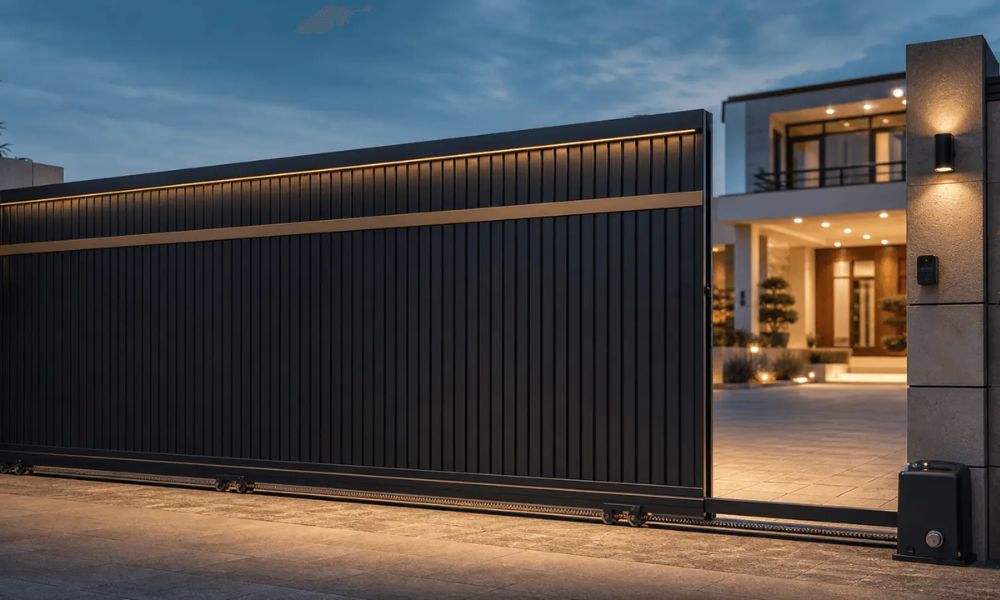
Installing an automatic gate is becoming a popular choice for homes, businesses, and even farms. It adds comfort, improves security, and gives your property a modern look. Instead of opening and closing a gate manually, you can control it with a remote, keypad, or even your phone. It makes daily life easier and safer.
However, many people think that automatic gate installation is a simple task. In reality, it requires proper planning, the right materials, and a clear understanding of how the system works. If you rush into it without thinking things through, you may face problems like high repair costs, poor performance, or safety issues later.
Before you move ahead with automatic gate installation, here are the seven most important things you should know.
1. Know Why You Need an Automatic Gate
Before anything else, you should be clear about why you want an automatic gate. People choose it for different reasons. Some want better security, others want convenience, and many simply want their property to look more modern and attractive.
If your main focus is safety, then you may need a stronger system with advanced locking and access control. If you want ease of use, then a simple remote-controlled gate may be enough. For commercial spaces, faster opening and closing systems are usually more important because of heavy traffic.
Understanding your purpose will help you make better decisions throughout the installation process.
2. Pick the Right Type of Gate
There are different types of automatic gates, and each one works best in different situations.
Sliding gates move sideways and are perfect if you have limited space in front of your property. They are strong and commonly used for both homes and businesses.
Swing gates open like a door. They look traditional and are often chosen for residential properties where there is enough space for the gate to move freely.
Folding gates are used in areas where space is very limited or where fast movement is required, such as commercial entrances.
Choosing the right type at the beginning makes the installation process smoother and avoids future changes.
3. Check Power Supply and Backup Options
An automatic gate runs on electricity, so a stable power supply is very important. If your area has frequent power cuts, you should plan for backup solutions from the start.
Battery backup systems are commonly used so the gate can still work during power failures. Some people also choose solar-powered systems, especially in areas with good sunlight. Another useful feature is a manual release option, which allows you to open the gate by hand if needed.
Planning this properly ensures your gate never stops working when you need it most.
4. Focus on Security Features
An automatic gate is not just about convenience—it is mainly about safety. That is why security features are very important.
Modern systems offer options like remote control access, keypad entry, RFID cards, and mobile app control. You can also connect the gate with CCTV cameras or alarm systems for extra protection.
The more security layers you add, the harder it becomes for unwanted visitors to enter your property.
5. Choose Strong and Durable Materials
The material of your gate plays a big role in how long it will last and how well it will work with automation.
Steel gates are very strong and ideal for high-security areas. Aluminium gates are lightweight and do not rust easily, making them a good choice for homes. Wrought iron gates are stylish but may need regular care. Wooden gates look beautiful but must be properly treated to handle weather conditions.
During automatic gate installation, it is important to choose both strong materials and reliable motor systems. This ensures smooth performance and fewer repairs in the future.
6. Decide Between Professional Help and DIY
Some people think they can install an automatic gate on their own to save money. While this may seem possible, it often leads to problems if not done correctly.
Professional installation ensures that everything is properly aligned, safely connected, and correctly adjusted for the weight of the gate. Experts also know how to handle electrical connections and motor settings, which reduces the risk of future issues.
DIY installation might work for very simple setups, but for long-term safety and performance, professional help is usually the better choice.
7. Think About Maintenance and Future Costs
An automatic gate needs regular maintenance to stay in good condition. Many people forget this and only think about installation costs, but maintenance is just as important.
You will need to check moving parts, lubricate joints, inspect wiring, and sometimes replace batteries or small parts. Sliding gates may also need track cleaning from time to time.
Planning for maintenance helps avoid sudden breakdowns and keeps your gate working smoothly for many years.
Final Thoughts
Installing an automatic gate is a smart decision, but only when it is planned properly. You need to think about your purpose, gate type, power backup, security features, materials, installation method, and maintenance needs. Each of these points plays an important role in the overall performance of your gate.
A well-planned system not only improves safety but also adds value and comfort to your property. If you are considering upgrading your entrance, working with experienced professionals can make a big difference. For reliable guidance and solutions, you can explore I Gate Automation, where you can learn more about modern gate systems and installation options that suit different needs.
