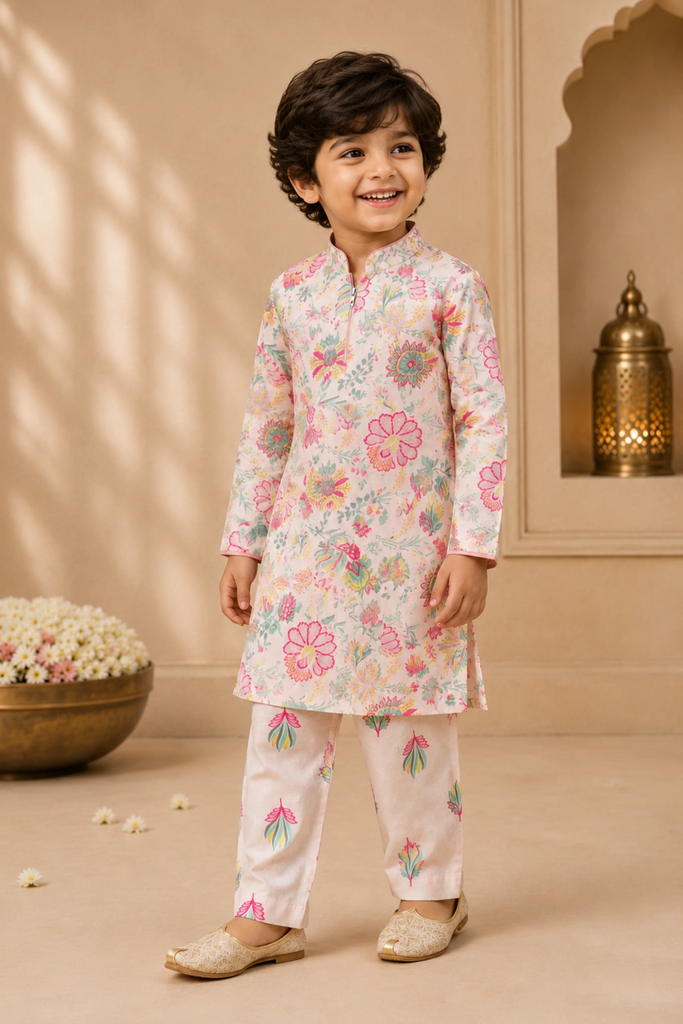
Matching outfits can make sibling celebrations feel extra special, especially during weddings, Eid gatherings, family dinners, school events, and festive photographs. Traditional clothing offers plenty of opportunities for coordinated looks without making every outfit exactly the same. Kids Pakistani clothes come in many colors, fabrics, cuts, and embroidery styles, making sibling coordination easier for different ages and personalities. Matching shalwar kameez, kurta pajama, waistcoats, frocks, lehengas, and embroidered dresses can create a connected family appearance while still allowing individual style. With the right combination of color, fabric, and design, sibling outfits can look balanced, comfortable, and suitable for the occasion.
Why Matching Outfits Work Well for Siblings
Coordinated clothing creates a neat and festive appearance while highlighting the connection between brothers and sisters. Matching does not always require identical clothing. Similar colors, embroidery patterns, fabrics, or decorative details can create a unified look. For example, a brother may wear a white kurta pajama with a green waistcoat while a sister wears a green embroidered dress with white detailing. The shared color palette provides coordination without making both outfits look identical. This approach works especially well when siblings have different ages, body shapes, or personal preferences.
Different Ways to Match Pakistani Kidswear
Several simple methods can create matching sibling outfits. The easiest method is using the same color in different clothing styles. Another option involves matching embroidery, such as floral patterns, threadwork, mirror details, or traditional motifs. Similar fabrics can also connect outfits, especially during formal celebrations. A brother and sister can wear cotton outfits in matching shades for Eid, while more decorative fabrics such as silk, velvet, or jacquard can suit weddings and evening events. Matching accessories, such as waistcoats, dupattas, hair accessories, or traditional footwear, can also complete the coordinated appearance.
Matching Outfits for Brothers and Sisters
Brother-sister combinations offer many possibilities within traditional Pakistani fashion. A boy may wear a kurta pajama in a color that complements a girl’s shalwar kameez or frock. For a wedding, a boy’s embroidered kurta and waistcoat can coordinate with a girl’s formal dress featuring similar embroidery. For Eid, lighter fabrics and softer shades can create a fresh appearance. Girls can wear ghararas, frocks, lehengas, or embroidered suits, while boys can wear kurtas, shalwar kameez, or kurta pajama sets. Similar details across both outfits create a polished family look.
Matching Clothes for Two Brothers
Brothers can easily wear coordinated traditional outfits without looking overly formal. Identical kurtas in different sizes provide a classic matching appearance, while slightly different colors can offer a more individual look. For example, one child can wear navy blue while another wears sky blue, with similar collars, buttons, or embroidery. Waistcoats provide another useful option because the same waistcoat design can be paired with different kurta colors. Comfortable cotton suits work well for Eid celebrations and daytime events, while textured fabrics and embroidered waistcoats can suit weddings and family functions.
Matching Clothes for Two Sisters
Sisters can coordinate through matching prints, colors, embroidery, or dress styles. Younger girls may enjoy colorful frocks and embellished dresses, while older girls may prefer traditional suits, ghararas, or lehengas. A shared color scheme can keep the outfits connected even when the silhouettes differ. For example, one sister can wear a lavender frock while another wears a lavender shalwar kameez with similar embroidered flowers. Matching dupatta borders, sleeves, or decorative motifs can add another visual connection without requiring completely identical clothing.
Matching Outfits Across Different Ages
Age differences do not prevent coordinated sibling dressing. Infant, toddler, and older-child sizes may have different cuts for comfort and movement, so identical designs are not always practical. A better approach involves repeating one or two important elements. Similar colors, embroidery, fabric, or accessories can connect outfits across age groups. A toddler might wear a simple embroidered kurta while an older brother wears a detailed kurta pajama with a waistcoat. In the same family group, a younger sister may wear a comfortable frock using the same fabric color as an older sister’s formal suit.
Selecting the Right Fabric for Children
Fabric choice matters because children often spend long periods moving, playing, sitting, and participating in family activities. Cotton remains a practical option for warm weather, especially during Eid and daytime gatherings. Lawn can provide a lightweight feel for summer outfits, while linen blends may offer comfort during transitional seasons. Velvet, jacquard, silk, and heavier embroidered fabrics can work well for winter weddings and formal events. Soft inner layers, comfortable waistbands, and breathable materials can make traditional clothing easier to wear for several hours.
Using Color Without Making Outfits Look Identical
Color coordination is one of the simplest ways to create sibling matching outfits. A single main color can appear in different forms across each outfit. For example, emerald green may appear as a full kurta for a boy and as embroidery or a dupatta for a girl. Neutral shades such as white, beige, cream, grey, and black can balance stronger colors. Pastel shades such as peach, mint, lavender, powder blue, and light pink can create a softer appearance for younger children. Keeping two or three related colors across the group usually creates a more organized visual effect.
Important Comfort Considerations
Style should remain balanced with comfort when selecting Pakistani traditional clothing for children. Scratchy embroidery, tight sleeves, heavy decorations, or complicated closures can make an outfit uncomfortable during long events. Lightweight designs are often practical for active children, while flexible waistbands and soft fabrics can improve movement. Footwear should also allow easy walking and standing. Before purchasing, checking measurements for chest, waist, length, sleeve length, and shoulder width can reduce fitting problems. A comfortable outfit is more useful when children need to remain dressed for several hours.
Where Matching Kids Pakistani Clothes Can Be Useful
Sibling matching is suitable for many occasions. Eid celebrations often feature coordinated traditional clothing, while weddings provide an opportunity for more detailed and formal designs. Family photoshoots can benefit from matching colors because coordinated clothing creates a cleaner overall composition. Birthday parties, cultural events, school celebrations, religious gatherings, and family dinners can also suit coordinated Pakistani outfits. Seasonal collections can make matching easier by offering related colors and design themes across different garment styles and sizes.
How to Create a Balanced Sibling Look
A balanced sibling wardrobe does not require every garment to be identical. A shared theme usually produces a more natural result. Start with one feature, such as color, embroidery, fabric, or print, then repeat that feature across the outfits. Avoid combining too many decorative elements because excessive matching can make outfits appear busy. For formal events, one statement detail such as an embroidered waistcoat or embellished dupatta can provide enough coordination. For casual occasions, matching colors and simple cuts may be more practical. This approach allows each child to have a distinct outfit while maintaining a connected family style.
Bachaa Party for Kids Pakistani Clothes
Bachaa Party provides a convenient destination for exploring children’s clothing and festive styles in Pakistan. A broad selection can make it easier to compare colors, designs, age-appropriate options, and outfit styles for different siblings. Traditional clothing can be matched through coordinated shades, embroidery, or complementary designs rather than relying only on identical sets. Such variety is useful for Eid, weddings, family gatherings, and other cultural occasions where smart children’s clothing is needed. Bachaa Party can also help simplify the process of browsing different kidswear categories in one place, making sibling outfit planning more organized and practical.
