
Potatoes are one of the most adaptable ingredients in everyday cooking. They can become crisp and golden when roasted, light and fluffy when baked, creamy when mashed, or tender when boiled. However, delicious results do not depend on cooking alone. The way potatoes are selected, cleaned, cut, seasoned, and prepared can have a noticeable effect on the finished dish.
Following practical potato cooking tips can help home cooks m
ake better use of fresh potatoes while avoiding common preparation mistakes. Understanding the characteristics of different potato varieties is also useful because not every potato performs the same way in every recipe.
From the first preparation step to the final serving, small choices can improve flavor, texture, appearance, and consistency.
Why Good Potato Preparation Matters
Successful potato dishes often begin before the cooking process starts. Proper preparation helps potatoes cook evenly and allows their natural characteristics to work with the chosen recipe.
For example, potatoes intended for roasting may benefit from being cut into evenly sized pieces, while potatoes for salads should generally retain enough firmness to hold their shape. A potato being prepared for mashing may require a completely different approach.
Good preparation also makes cooking more predictable. When potatoes are handled according to their characteristics, it becomes easier to achieve the texture and flavor you expect.
Choosing Fresh Potatoes for the Recipe
The first step in a successful dish is choosing suitable potatoes. Fresh potatoes should generally feel firm and have a clean, healthy appearance.
The recipe should guide the selection. Some varieties are naturally better suited to baking or frying, while others work well when boiled, roasted, or used in salads.
Understanding the basic characteristics of different potato varieties can help you make more informed choices. Starchy potatoes tend to become fluffy when cooked, while waxier potatoes are more likely to retain their shape.
There is no single potato that is best for every recipe. The right choice depends on the desired result.
A Simple Potato Prep Guide for Everyday Cooking
A practical potato prep guide does not need to be complicated. A few consistent steps can make a noticeable difference in the kitchen.
Begin by inspecting the potatoes and removing any damaged areas. Wash them thoroughly under cool running water to remove soil and surface debris.
Decide whether the potatoes should be peeled. Thin-skinned varieties can often be prepared with their skins intact, while some recipes may call for peeled potatoes.
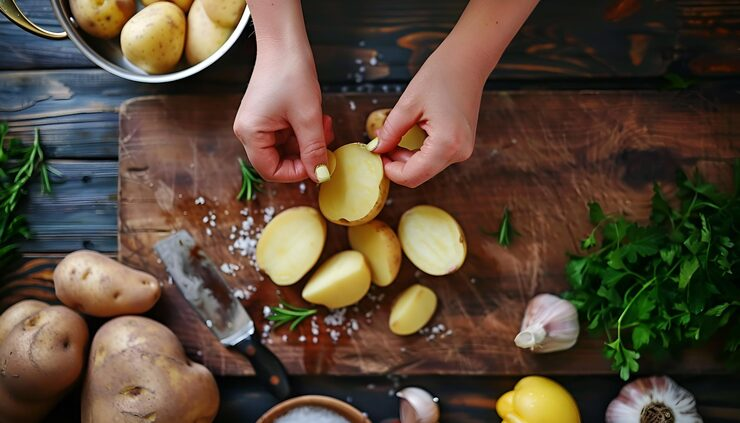
Next, cut the potatoes according to the recipe. Try to keep pieces relatively uniform in size so they cook at a similar rate.
Finally, prepare them according to the selected cooking method. Taking these steps before cooking can help improve the final result.
Washing and Cleaning Potatoes Properly
Washing is an important part of potato preparation, particularly when using fresh potatoes with their skins intact.
Rinse potatoes thoroughly under cool running water. A clean vegetable brush can help remove dirt from uneven areas of the skin.
Potatoes should be washed before peeling as well. This helps prevent surface dirt from being transferred to the inside of the potato during preparation.
There is generally no need to use soap or household cleaning products. Proper rinsing and brushing are sufficient for cleaning the surface.
Cutting Potatoes for Consistent Cooking
One of the simplest potato cooking tips is to pay attention to cutting size.
When potato pieces vary greatly in size, smaller pieces may become soft while larger pieces remain undercooked. Cutting potatoes into similar-sized pieces helps promote more consistent cooking.
The ideal shape depends on the dish. Cubes can work well for soups and salads, wedges are suitable for roasting, and thin strips are commonly used for fries.
A stable cutting board and sharp kitchen knife can make the preparation process more efficient.
Getting Better Results When Boiling Potatoes
Boiling is a simple cooking method, but technique still matters.
Cut potatoes into consistent pieces when the recipe calls for smaller portions. Start with an appropriate amount of water and cook until the potatoes reach the desired tenderness.
Avoid cooking them longer than necessary. Overcooked potatoes can become excessively soft and may break apart more easily.
For potato salads, maintaining structure is particularly important. A variety that naturally holds its shape can make the preparation process easier.
For mashed potatoes, the desired texture may call for a softer, more thoroughly cooked potato.
Improving Texture When Making Mashed Potatoes
Mashed potatoes can range from light and fluffy to rich and creamy. The final texture depends on the variety, cooking method, and preparation technique.
Starchy potatoes can produce a fluffy mash, while some yellow or all-purpose varieties can provide a naturally creamy texture.
After boiling, drain the potatoes thoroughly before mashing. Excess water can affect the consistency.
Avoid overworking the potatoes. Excessive mixing can result in a dense or gluey texture, particularly when using high-starch varieties.
Seasoning can then be adjusted according to the recipe and personal preference.
Potato Cooking Tips for Crispy Results
Crispy potatoes are often the result of several preparation choices working together.
First, select a variety appropriate for the cooking method. Next, cut pieces evenly and remove excess surface moisture.
When roasting or frying, avoid overcrowding the cooking surface. Potatoes need adequate exposure to heat to develop a browned exterior.
Temperature also plays an important role. The right cooking temperature helps create contrast between a crisp outside and tender interior.
These details may seem minor, but they can make a significant difference in the finished dish.
Matching Cooking Methods to Potato Types
Not every cooking method works equally well with every potato. Matching the variety to the technique is one of the most useful potato cooking tips to remember.
High-starch potatoes are often well suited to baking, mashing, and frying. Waxy potatoes can be particularly useful for boiling, salads, and dishes where maintaining shape is important.
All-purpose potatoes provide flexibility when several cooking methods are being considered.
Understanding these differences helps reduce trial and error and makes it easier to select potatoes with confidence.
Better Potato Dishes Start with Better Preparation
From selecting the right variety to serving the finished dish, every stage of the process can influence the quality of a potato recipe. Following practical potato cooking tips, using a reliable potato prep guide, and understanding the characteristics of different potato varieties can help cooks achieve better flavor and texture.
Proper potato preparation is especially important when working with fresh potatoes. Washing, cutting, drying, seasoning, and choosing the appropriate cooking method can all contribute to more consistent results.
For consumers and food professionals interested in learning more about potatoes, Pennsylvania Co-Operative Potato Growers (PCPG) provides useful information about potatoes, preparation, varieties, and their uses. As a trusted potato company, PCPG also represents the important connection between Pennsylvania’s potato-growing community and the consumers and buyers who rely on a dependable potato supply.
With the right preparation and cooking approach, potatoes can become much more than a basic side dish. They can provide the foundation for flavorful, satisfying meals across countless cooking styles.
