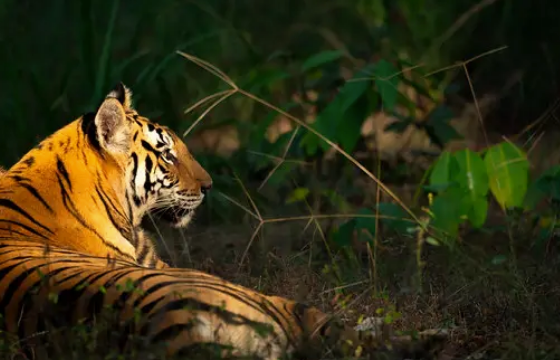
India holds some of the finest tiger habitats on earth, and the best way to experience them is not alone with a map and a rental car. It is with someone who knows the forest the way you know your own street. That is the real value of guided wildlife tours. They turn a hopeful drive through the jungle into a planned, informed, and far more rewarding encounter with nature.
If you have ever booked a safari on your own and come back with nothing but a few blurry photos of deer, you already understand why guided safari and wildlife tours exist. The difference between a good sighting and a missed one often comes down to timing, terrain knowledge, and a guide who can read pug marks, alarm calls, and body language before you even notice something is wrong.
This guide walks you through what guided wildlife tours actually offer, and why three of India’s most celebrated wilderness areas, Bandhavgarh, Kabini, and Ranthambore, remain the top choices for travelers who want tigers, leopards, and untouched forest without the guesswork.
Why Book Guided Wildlife Tours Instead of Going Solo
Self-drive safaris look appealing on paper. In practice, most first-time visitors underestimate how much local knowledge a sighting depends on. A trained wildlife tour guide tracks seasonal movement patterns, knows which zones are producing sightings that week, and communicates with forest trackers and other jeeps in real time.
Guided wildlife tours also handle the parts of the trip that quietly ruin an unplanned holiday: permit bookings, zone allocation, safari timing, and accommodation near the park gate. Indian tiger reserves work on a permit system with limited daily entries, and popular zones sell out weeks in advance. A guide or tour operator who books these professionally saves you from arriving at a park with no safari for the next two days.
Beyond logistics, a good guide adds context. Anyone can see a tiger. A guide helps you understand its territory, its recent behavior, and why it chose that particular waterhole at that particular hour. That layer of understanding is what separates a tourist trip from a genuine wildlife experience.
Bandhavgarh: India’s Tiger Capital
Bandhavgarh National Park in Madhya Pradesh has one of the highest tiger densities of any reserve in India. The park is compact compared to some other reserves, which works in your favor. Tigers here are used to jeep traffic and are often spotted moving along open trails or resting near rocky outcrops close to the old fort.
Guided wildlife tours in Bandhavgarh typically focus on the Tala, Magadhi, and Khitauli zones, each offering a different terrain and a different set of resident tigers. A wildlife tour guide with local experience knows which zone is currently home to a mother with cubs or a dominant male holding territory, and will steer your safari bookings accordingly.
Beyond tigers, Bandhavgarh supports leopards, sloth bears, wild dogs, and a strong population of spotted deer and sambar that keep the food chain active. Birdwatchers also find the park rewarding, with over 250 recorded species across its grasslands and sal forests.
Best time to visit: February to April, when water sources shrink and animals gather in open, visible areas.
Kabini: The Quiet Give-and-Take Between Elephants and Big Cats
Kabini, part of the Nagarhole National Park in Karnataka, offers a completely different rhythm from central India’s dry deciduous forests. Its backwaters, formed by the Kabini River, draw enormous herds of elephants during the dry months, sometimes numbering in the hundreds along the shoreline.
What makes Kabini special for guided safari and wildlife tours is the density of leopards. Naturalists here are known for spotting leopards resting on tree branches, a skill that takes years to develop and one that visiting on your own rarely replicates. Kabini’s guides are widely regarded as some of the most skilled trackers in the country, trained to read subtle signs across dense, green terrain where visibility is far lower than in Bandhavgarh or Ranthambore.
A boat safari along the backwaters is another feature unique to Kabini, offering a calmer, low-noise way to observe elephants, gaur, and waterbirds without the engine sound of a jeep.
Best time to visit: October to May, with the peak elephant congregation typically visible from January to April.
Ranthambore: Tigers Among Ancient Ruins
Ranthambore National Park in Rajasthan pairs wildlife sightings with a backdrop few other reserves can match. Crumbling forts, ancient temples, and stepwells sit inside tiger territory, giving every sighting a sense of history layered over nature.
Ranthambore’s tigers are famously comfortable around vehicles, having grown up around decades of safari traffic. This makes it one of the more reliable parks for daytime sightings, particularly around Zones 1 to 5, which surround the core forest and lake system.
Guided wildlife tours here also benefit from a guide’s familiarity with the park’s most photogenic tigresses and their territories, several of whom have become well known among wildlife photographers for their comfort in front of a camera. Beyond tigers, Ranthambore is home to marsh crocodiles, sloth bears, and a rich population of raptors and waterfowl around Padam Talao and Rajbagh lakes.
Best time to visit: November to April, with April and May offering the highest sighting frequency despite the heat.
What a Wildlife Tour Guide Actually Does for You
A wildlife tour guide is not simply someone who sits in the front seat of the jeep. Their role covers several layers of the trip:
- Reading terrain and animal signs to predict likely sighting locations
- Coordinating zone selection based on recent activity and permit availability
- Managing safari timing around light, temperature, and animal movement patterns
- Explaining behavior, ecology, and conservation context during the drive
- Handling communication with forest staff, other guides, and park authorities
This combination of skill and access is exactly why guided safari and wildlife tours consistently produce better outcomes than independent travel, especially for visitors on their first trip to an Indian reserve.
Choosing the Right Guided Wildlife Tour
Not every guided tour is built the same way. A few points worth checking before you book:
Group size. Smaller groups mean more flexibility inside the jeep and a better chance for everyone to get a clear view or photograph.
Guide experience. Ask how long the naturalist has worked in that specific park. Local, park-specific experience matters more than general wildlife knowledge.
Zone strategy. A strong operator books safaris across multiple zones rather than repeating the same route, increasing your overall sighting chances.
Season alignment. Tours planned around each park’s peak season, dry months for central India, elephant congregation months for Kabini, produce noticeably better results.
A well-organized operator like The Wild Terrain builds each departure around these factors, pairing experienced naturalists with a season-matched itinerary so travelers spend their time watching wildlife instead of managing logistics.
Final Thoughts
Bandhavgarh, Kabini, and Ranthambore each offer a distinct version of the same promise: a real chance to witness India’s wildlife in its natural rhythm, guided by people who understand that rhythm better than any guidebook can. Choosing guided wildlife tours over a self-planned trip is less about convenience and more about outcome. You see more, understand more, and come home with a story worth telling.
Frequently Asked Questions
1. What is the difference between a guided wildlife tour and a regular safari booking?
A regular safari booking only covers your jeep and park entry. A guided wildlife tour includes an experienced naturalist, planned zone selection, and full trip logistics, which usually leads to better sightings.
2. Which park is best for a first-time tiger safari, Bandhavgarh or Ranthambore?
Both are excellent for beginners. Bandhavgarh has higher tiger density, while Ranthambore offers easier sightings thanks to tigers accustomed to vehicles. Either is a strong choice.
3. Is Kabini good for wildlife viewing outside of tiger sightings?
Yes. Kabini is known for leopards, large elephant herds, and boat safaris along the backwaters, making it ideal for travelers who want variety beyond tigers.
4. How far in advance should I book a guided safari and wildlife tour?
Book at least 60 to 90 days ahead for popular parks like Ranthambore and Bandhavgarh, since safari permits are limited and sell out quickly during peak season.
5. Do I need prior wildlife photography experience to join a guided tour?
No. A skilled wildlife tour guide adjusts pace and positioning for all experience levels, whether you are a beginner with a phone camera or a photographer with a long lens.
