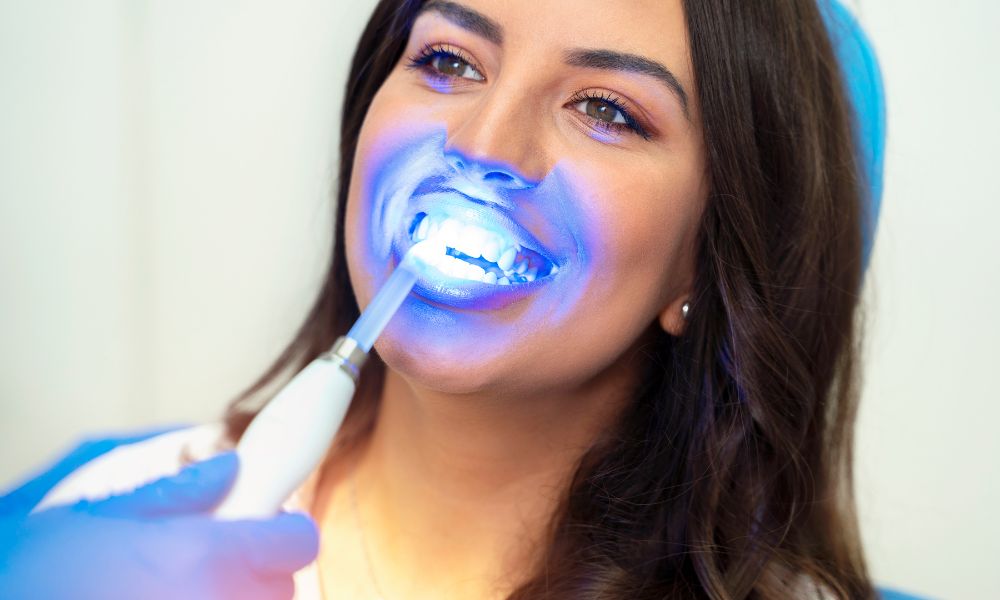
A bright smile is something many people wish for. White teeth are often seen as a sign of good hygiene, confidence, and overall health. Because of this, more and more people are turning to teeth whitening options to improve how their smile looks.
At the same time, there are many doubts and questions around the safety of these treatments. Some people worry that whitening may damage their teeth, while others are unsure if the results are worth it. This confusion often comes from myths and incorrect information. That’s why it is important to understand the truth before deciding on any Teeth Whitening Treatment.
What Is Teeth Whitening Treatment?
Teeth Whitening Treatment is a cosmetic dental procedure that helps lighten the color of your teeth. It works by removing stains and reducing discoloration, making your teeth look cleaner and brighter.
Most whitening methods use safe bleaching agents like hydrogen peroxide or carbamide peroxide. These ingredients break down stains into smaller parts, which makes the teeth appear whiter.
There are different ways people choose to whiten their teeth. Some visit a dentist for professional treatment, while others use kits at home. There are also simple products like whitening toothpaste and strips available in stores.
Why Do Teeth Lose Their Natural Color?
Teeth do not stay perfectly white forever. Over time, they can become dull or stained due to daily habits and natural changes in the body.
One of the most common reasons is food and drink. Beverages like tea, coffee, and cola can leave stains on teeth. Smoking or chewing tobacco can also cause strong discoloration. Poor brushing habits make things worse, as stains are not cleaned properly.
Age is another factor. As we grow older, the outer layer of enamel becomes thinner, showing more of the yellowish layer beneath. Some medicines and health conditions can also affect tooth color.
Because of these reasons, many people consider teeth whitening treatment to restore their smile.
Common Myths About Teeth Whitening Treatment
There are many misunderstandings about teeth whitening. Let’s clear up some of the most common ones.
Myth 1: Teeth Whitening Damages Teeth
Many people believe that whitening harms the teeth permanently. This is not true when the treatment is done correctly.
Teeth Whitening Treatment works on stains, not on the structure of the tooth. Approved products are made to be safe. Problems usually happen only when people overuse products or ignore instructions.
Myth 2: Whitening Always Causes Pain
Some people avoid whitening because they think it will hurt. In reality, most people feel little to no discomfort.
A few may notice slight sensitivity, especially when eating hot or cold foods. This feeling is usually temporary and goes away after a short time.
Myth 3: Everyone Gets the Same Results
Not all teeth respond the same way to whitening. The results depend on the type of stains and the natural color of your teeth.
For example, yellow stains are easier to remove than gray ones. Also, crowns and fillings do not change color during teeth-whitening treatment.
Myth 4: Store-Bought Products Are Unsafe
Many people think that only professional treatments are safe. While professional care is always a good option, many store-bought products are also safe if used properly.
The key is to follow instructions carefully and not overuse them.
Myth 5: Whitening Lasts Forever
This is another common misunderstanding. Teeth Whitening Treatment does not give permanent results.
Over time, teeth can become stained again, especially if you continue habits like drinking coffee or smoking. Regular care and occasional touch-ups are needed to maintain the results.
Facts You Should Know About Teeth Whitening Treatment
Now that we have looked at the myths, let’s focus on the facts.
It Is Generally Safe
Teeth Whitening Treatment is considered safe for most people when done properly. Dentists use tested methods, and even home products are designed for safe use.
The important thing is to avoid misuse and follow proper guidance.
Some People Should Avoid It
Not everyone is a good candidate for whitening. People with gum problems, cavities, or very sensitive teeth should consult a dentist first.
Children and pregnant women are also usually advised to avoid it unless recommended by a professional.
Side Effects Are Usually Mild
If side effects happen, they are mostly minor. The most common ones include slight tooth sensitivity or mild gum irritation.
These effects are temporary and usually go away within a few days.
It Does Not Replace Dental Care
Teeth-whitening treatment improves appearance but does not make your teeth healthier.
You still need to brush, floss, and visit a dentist regularly. Whitening should be seen as an addition to good oral care, not a replacement.
Your Habits Matter
Your daily habits play a big role in how long the whitening lasts. Drinking less tea or coffee, quitting smoking, and maintaining oral hygiene can help keep your teeth white for longer.
Types of Teeth Whitening Treatment
There are different ways to whiten teeth, and each has its own benefits.
Professional Whitening
This is done at a dental clinic. It is usually faster and gives noticeable results in a short time. Dentists use stronger but controlled products to ensure safety.
At-Home Kits from Dentists
Dentists may provide custom trays and gels for home use. These are safer than random products because they are designed for your teeth.
Over-the-Counter Products
These include strips, gels, and whitening toothpaste. They are easy to use and affordable, but results may take longer compared to professional treatments.
Tips for Safe Teeth Whitening
If you are planning to try teeth whitening treatment, following a few simple steps can help you stay safe.
First, it is always a good idea to talk to a dentist before starting. They can check if your teeth are healthy enough for whitening.
Second, follow the instructions of any product you use. Using it longer or more often than recommended can lead to problems.
Also, avoid mixing different whitening products at the same time. This can increase sensitivity and irritation.
If you feel discomfort, take a break and give your teeth time to recover.
Natural Remedies vs Professional Whitening
Some people try natural methods like brushing with baking soda or using charcoal. While these methods are popular, they are not always effective.
In some cases, they can even be rough on the enamel if used too much.
Professional teeth whitening treatment is tested and gives more reliable results. While natural methods may help slightly, they cannot match the effectiveness of proper whitening products.
Is Teeth Whitening Treatment Worth It?
For many people, the answer is yes. A brighter smile can improve confidence and make a positive impression.
However, it is important to have realistic expectations. Whitening can improve the appearance of your teeth, but it will not make them perfect or permanently white.
Understanding both the benefits and limits of Teeth Whitening Treatment helps you make a better decision.
Final Thoughts
Teeth Whitening Treatment is a safe and effective way to improve your smile when done correctly. Most fears about whitening come from myths rather than facts.
The treatment does not damage teeth when used properly, and any side effects are usually mild and temporary. However, it is not suitable for everyone, so getting professional advice is always a smart step.
Maintaining good habits is just as important as the treatment itself. Brushing regularly, avoiding staining foods, and taking care of your oral health will help you keep your smile bright for a longer time.
In the end, teeth whitening treatment is a simple way to boost confidence and feel better about your appearance. With the right approach, you can enjoy a whiter smile safely and comfortably.
