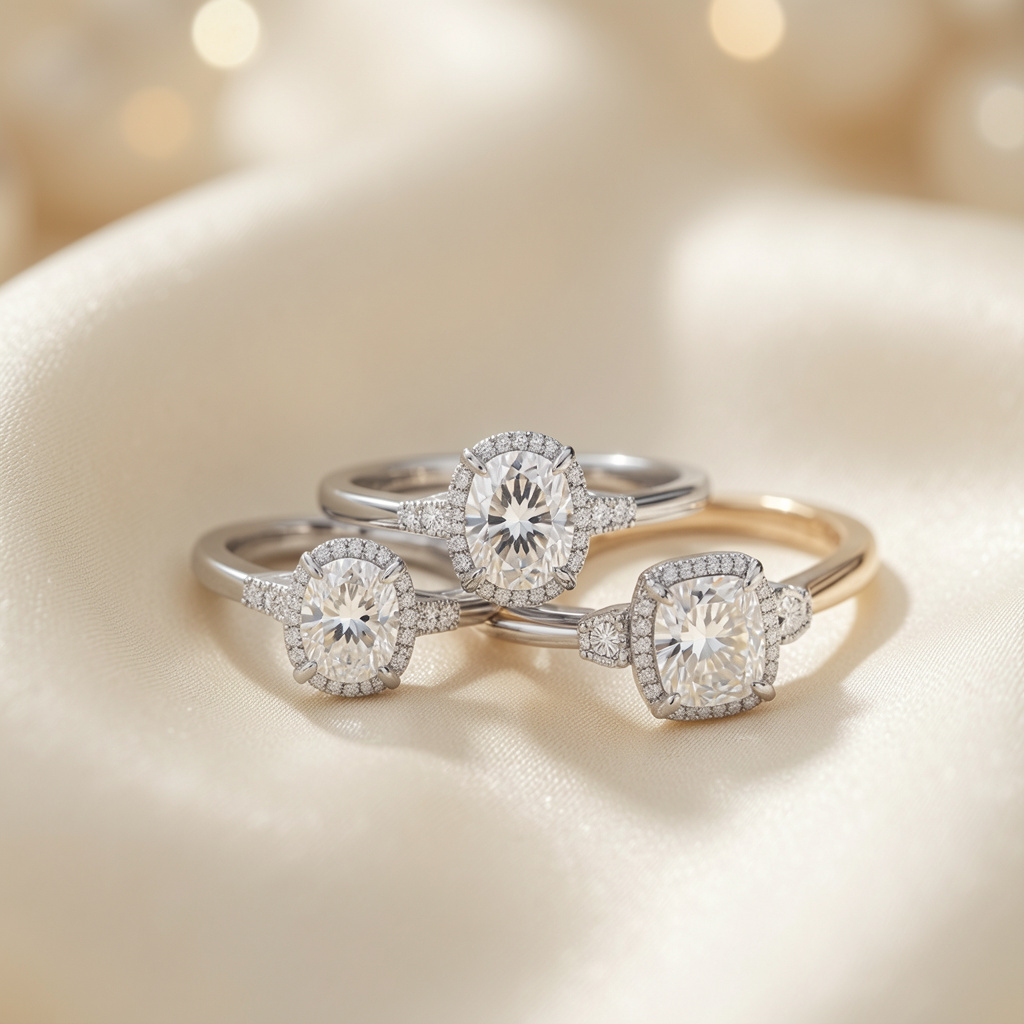
Walk into any jewelry store today, and you’ll notice that something is missing: the sense of weight, of story. Modern rings are often clean and well-made, sure, but they tend to look identical. That’s probably why so many couples are now circling back to vintage engagement rings. Not because old is better, but because old feels like something. It has its own distinctive past and heritage.
What Makes Vintage Engagement Rings So Timeless and Unique?
A major factor lies beneath the making of those rings. Even from the Edwardian or Art Deco periods, rings were shaped mostly by hand, slowly and carefully, which means no two came out the same. There’s a variation to them that mass production can’t replicate, even when it tries.
Antique diamond engagement rings also tend to carry stone cuts you simply won’t find in a standard catalog anymore. Old mine cuts, rose cuts, and European cuts catch light in a softer, warmer way. Some people find that more romantic, and arguably, it’s true.
What tends to define these older pieces:
- Filigree and milgrain detailing, common in early 20th-century work
- Stone cuts that scatter light differently from modern brilliants
- Mixed metal settings; often platinum laid over gold
- Motifs drawn from nature, geometry, or the distinct design movements of their time
Why Classic Engagement Ring Styles Are Trending Again in Modern Jewelry?
Sustainability is a big part of it. Buying vintage engagement rings means the stone already exists: no new mining and no fresh environmental cost. For younger buyers, especially, that matters. It’s not just a talking point for them; it genuinely shapes the decision.
Then there’s the cultural push. A handful of well-known engagements in recent years featured vintage or vintage-inspired pieces, and once those images started circulating on social media, the interest followed quickly. People saw something different and wanted it.
Also Read: Vintage vs. Modern Engagement Rings: Which Style Tells Your Story?
Three things keep driving people toward classic styles:
- Individuality: A vintage ring rarely looks like someone else’s ring. That’s rare now.
- Value: Quality per price point tends to be better with antique pieces, particularly through reputable dealers.
- Meaning: There’s something quietly significant about wearing a ring that belonged to someone’s story before yours.
Vintage diamond rings have also caught on simply because people are tired of uniformity. Personalization drives nearly every consumer category now, and jewelry is no different.
How to Choose the Perfect Vintage Engagement Ring for Your Style?
Vintage shopping works differently. Stock is limited, conditions vary, and the details matter in ways they don’t with new rings. Knowing a little before you start helps considerably.
It usually helps to start with the era:
- Victorian (1837–1901): Ornate, romantic, heavy on floral motifs and yellow gold
- Edwardian (1901–1910): Lighter and more delicate, with intricate platinum lacework
- Art Deco (1920s–1930s): Geometric, bold, and sharper in contrast
A few practical points worth keeping in mind:
- Get a professional appraisal before committing, especially for antique diamond engagement rings at higher price points.
- Ask directly about repairs or restorations; know what’s original and what isn’t.
- Check whether resizing is possible without damaging the setting. Some vintage designs make this difficult.
Certified estate jewelers are almost always the safer route over general auction sites. Estate engagement rings from established dealers typically come with documentation, and that paperwork is worth more than people often realize.
Conclusion
The renewed interest in vintage engagement rings isn’t really about nostalgia. It’s about wanting something that holds up, a ring with craft behind it, with some kind of history, with a look that doesn’t fade into the background. Whether that’s a Victorian solitaire or an Art Deco band, the right piece is out there. It just takes a little more looking.
