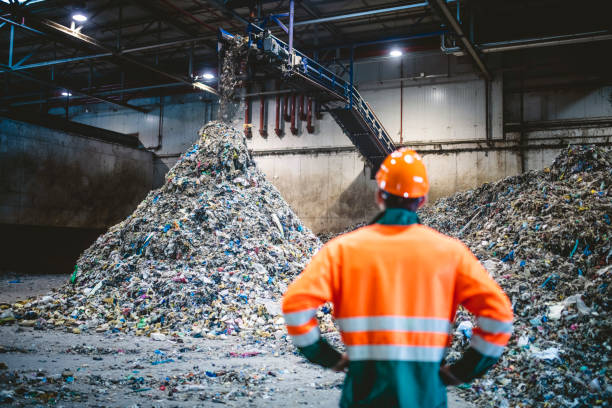
Managing waste effectively is an important part of maintaining clean communities, conserving resources, and reducing the environmental impact of everyday activities. As residential areas, commercial facilities, and industrial operations generate different types of waste, responsible collection, sorting, processing, and disposal become increasingly important. Waste management in Melbourne involves more than removing unwanted materials; it also requires practical systems that support recycling, resource recovery, and the safe handling of waste. Understanding these processes helps households and businesses make informed decisions, improve operational efficiency, and contribute to more sustainable waste practices.
Understanding Melbourne’s Waste Management Needs
Waste management in Melbourne varies across residential communities, retail businesses, offices, construction sites, and industrial facilities. Each setting produces different materials and requires suitable methods for collection, separation, storage, and processing.
For example, construction and demolition activities may generate timber, concrete, metals, plasterboard, and packaging. Commercial premises may produce cardboard, food waste, plastics, and mixed recyclables, while industrial facilities can generate larger or more complex material streams.
The Importance of the Waste Management Hierarchy
The waste management hierarchy provides a framework for deciding how materials should be handled. Victoria’s environmental guidance places waste management in Melbourne, recycling, energy recovery, treatment, and disposal. This approach prioritises preventing waste before managing it after generation.
Waste Avoidance and Reduction
Preventing unnecessary waste is generally preferable to processing it later. Businesses can review purchasing practices, reduce excessive packaging, improve stock management, and use durable materials where practical.
Monitoring waste generation can also reveal recurring inefficiencies, such as excess production materials or frequently discarded supplies.
Reuse and Repurposing
Some items can be reused within the same operation or passed to another organisation that can use them. Reusable containers, suitable building materials, pallets, and selected equipment components may have value beyond their initial purpose.
Before reuse, materials should be checked for suitability, safety, and any applicable restrictions.
Recycling and Resource Recovery
Recycling involves processing suitable discarded materials into resources that can be used again. Metals, paper, cardboard, glass, and certain plastics may be recovered when collection systems, sorting processes, and local recycling markets support them.
Effective separation is important because contamination can reduce the quality or recyclability of collected materials.
Responsible Disposal
Some residual materials cannot be practically reused or recycled through available systems. These materials require appropriate handling and disposal in accordance with applicable requirements. Disposal should remain a considered option after opportunities to prevent waste and recover usable resources have been assessed.
How Recycling Technology Improves Waste Processing
Recycling solutions facilities use combinations of mechanical equipment, separation technologies, and automated systems to process incoming waste. The appropriate configuration depends on the materials being handled, the required output quality, the facility’s throughput, and available space.
Shredders reduce bulky materials into smaller pieces, making them easier to convey and process in subsequent stages. Different shredder designs suit different materials, so equipment selection should reflect the characteristics of the waste stream.
Choosing Suitable Waste Management
Selecting appropriate waste management equipment requires an understanding of the materials being processed and the outcomes a facility needs to achieve. A machine that works effectively with cardboard may not be suitable for bulky construction waste or mixed plastics.
Equipment should be assessed as part of the complete processing line rather than as an isolated purchase. For example, increasing shredding capacity may not improve overall output if the downstream screening or sorting stage cannot handle the additional material.
Developing Effective Waste Management
Practical waste management solutions begin with a clear understanding of the facility’s waste streams and operational challenges. A structured assessment can help identify unnecessary waste, improve sorting practices, and determine whether existing machinery meets processing requirements.
Businesses can start by recording the quantities and types of waste generated over a representative period. They can then examine collection arrangements, contamination levels, storage limitations, and the proportion of material currently recovered.
The Role of Businesses in Melbourne’s Circular Economy
A circular economy aims to keep products and materials in use for as long as practical, reducing reliance on extracting new resources and disposing of usable materials. Waste prevention, repair, reuse, recycling, and resource recovery all contribute to this approach.
Businesses can support these goals by separating materials at their source, purchasing products with less unnecessary packaging, maintaining equipment to extend its useful life, and working with appropriate recycling and recovery facilities.
Technology providers also contribute by developing processing systems that help recover useful materials from complex waste streams
Conclusion
Effective waste management requires a coordinated approach that combines waste prevention, appropriate sorting, reliable processing equipment, and responsible disposal practices. For businesses across Melbourne, understanding waste streams and setting measurable recovery targets can help improve operational efficiency while reducing avoidable environmental impacts.
For instance, OGTEC operates in Australia’s waste and recycling equipment sector, providing design, manufacturing, installation, and processing-system services for different material streams. Staff training, maintenance, regulatory compliance, and access to suitable recovery facilities remain essential.