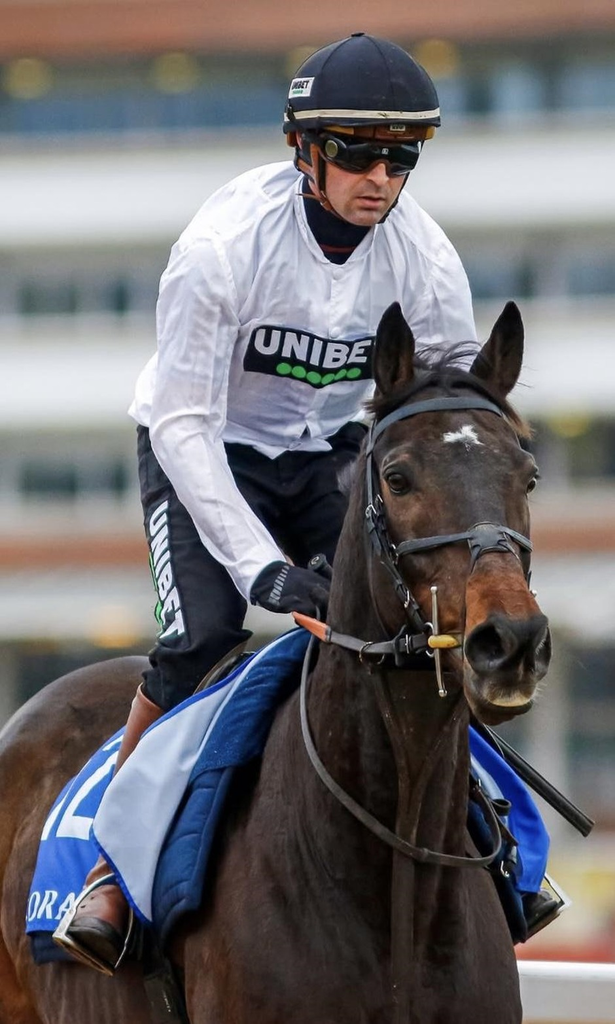
Instead of looking at each race as a standalone event, a race card allows you to compare the scheduled races, distances, participating horses, jockeys, trainers, weights, and other details in one place. A Hyderabad horse race card brings together the essential information needed to follow a day of racing at the Race Club. Understanding these sections can make it easier to follow the programme and interpret race-day information as it develops.
What Information Does a Card Include?
A Hyderabad horse race card provides details for every scheduled contest. These can include the race number, start time, distance, class, age or rating conditions, prize allocation, and participating horses.
Individual runner information may also show the horse’s draw number, jockey, weight, trainer, rating, and other race-specific details. Race cards published for Hyderabad meetings demonstrate how this information is organized for each race.
Having these details together makes it easier to understand what is happening before each race begins.
Understanding Race Distance and Class
Hyderabad horse race card of the first details to check because races can test horses over different lengths programmes have included contests over distances such as 1,100 metres, 1,200 metres, 1,400 metres, 1,800 metres, and 2,000 metres.
The class or eligibility conditions also explain which horses can participate. A race may be restricted by age, rating, or other conditions. Reading these details helps put the participating field into context rather than looking only at the horse names.
Check the Horses, Jockeys, and Trainers
A race card also identifies the people and horses involved in each contest. Looking at the jockey and trainer information can help readers follow individual performances throughout a meeting.
Recent Hyderabad coverage, for example, recorded jockeys such as Akshay Kumar, P. Ajeeth Kumar, and others among the day’s winners, while trainer results can also reveal multiple wins during a programme.
Past results are useful for understanding what happened previously, but they should not be treated as a guarantee of future performance.
Follow Race Results After the Meeting
Once racing begins, the results provide a record of how each contest finished. Results pages can include finishing positions, margins, horse names, jockeys, trainers, timings, and other race information.
Following the results alongside the original card can also make it easier to understand how the day’s races unfolded. Comparing the scheduled runners with the final placings provides a clearer picture of each meeting.
How You Follow Hyderabad Racing
For readers who want racing information in one place, Racebuzz provides cards, results, schedules, and race-day coverage. Its Hyderabad section includes reports from recent meetings, including complete results and summaries of individual races.
Using a combination of the published race card, official club information, and post-race results gives readers a more complete view of each meeting.
Conclusion
Following a race meeting becomes easier when you know how to read the card before looking at the results. Race number, distance, class, runners, jockeys, trainers, weight, timing, and final placing all provide useful context. For current Hyderabad race information, readers can compare the published programme with official updates and coverage to follow each meeting as it unfolds.