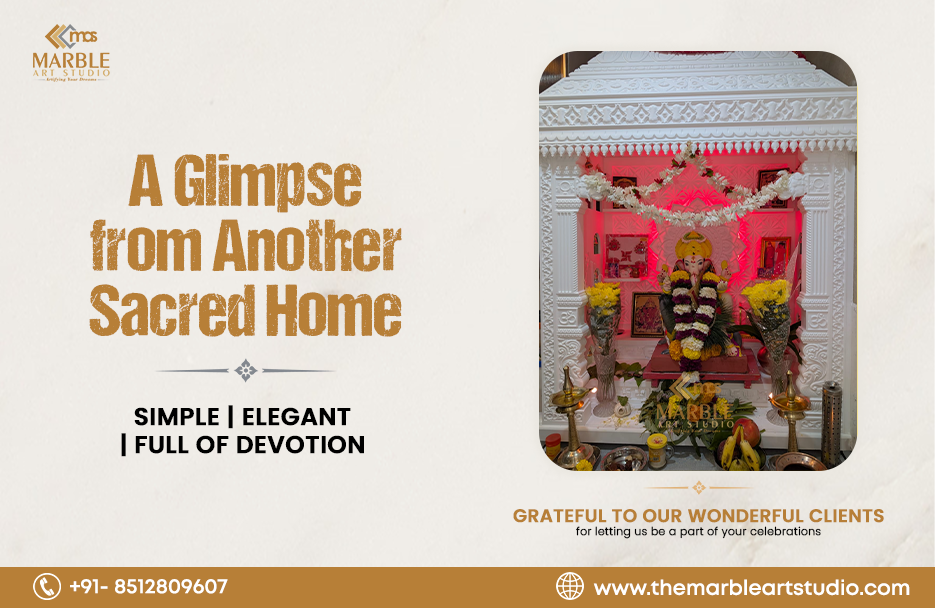
Choosing a mandir for your home is about more than appearance. It is about creating a peaceful space where you can pray, meditate, and connect with your faith. Among the many options available today, wooden mandirs and Corian mandirs are popular choices. Both offer unique benefits, but their design, maintenance, durability, and overall appearance can be quite different.
Understanding these differences can help you choose a mandir that suits your home and lifestyle.
Wooden Mandir: Traditional and Timeless
Wooden mandirs have been part of Indian homes for generations. Their natural texture, warm appearance, and traditional craftsmanship give them a classic appeal. They can feature intricate carvings, decorative pillars, domes, and traditional motifs.
A wooden mandir can work especially well in homes with traditional, ethnic, or classic interiors. Different types of wood and finishes also allow homeowners to choose a look that matches their furniture and décor.
However, wood requires regular care. Dust can collect in carved areas, while moisture and humidity may affect the material over time. Depending on the quality of the wood and finish, wooden mandirs may also require polishing or refinishing to maintain their appearance.
Corian Mandir: Modern, Clean, and Customisable
Corian mandirs offer a more contemporary approach to traditional worship spaces. Corian is a solid-surface material known for its smooth appearance, versatility, and easy maintenance.
One of the biggest advantages of a Corian mandir is design flexibility. It can be customised according to the available space, whether you need a compact wall-mounted mandir or a larger floor-standing design. Intricate patterns, laser-cut panels, jaali designs, and backlighting can also create a distinctive appearance.
The smooth surface makes everyday cleaning relatively simple. Unlike heavily carved wooden surfaces, there are fewer deep grooves where dust can accumulate. This makes Corian an appealing option for homeowners who prefer a clean and modern look.
Wooden Mandir vs. Corian Mandir: Key Differences
When comparing the two, wood is generally preferred for its natural warmth and traditional character. Corian, on the other hand, is better suited to contemporary interiors and customised designs.
Wooden mandirs can provide a handcrafted, heritage-inspired appearance. Corian mandirs can offer greater flexibility in shapes, patterns, colours, and lighting effects.
Maintenance is another important factor. Wooden mandirs may need more attention, particularly in humid environments. Corian surfaces are generally easier to wipe and maintain as part of a regular cleaning routine.
The available space should also influence your decision. A custom Corian mandir can be designed around specific dimensions, making it suitable for apartments, compact rooms, and modern homes. Wooden mandirs are available in many sizes too, but their design often follows more traditional structural forms.
Which Mandir Should You Choose?
There is no single choice that suits every home. A wooden mandir may appeal to you if you love traditional craftsmanship, natural materials, and classic Indian décor.
A Corian mandir may be a better fit if you prefer modern interiors, customised dimensions, clean surfaces, decorative lighting, and contemporary patterns.
Ultimately, the right mandir should complement your home’s interiors while creating a calm and beautiful space for worship. Whether you choose the timeless charm of wood or the modern versatility of Corian, focus on quality, craftsmanship, proportions, and a design that feels meaningful to you.
